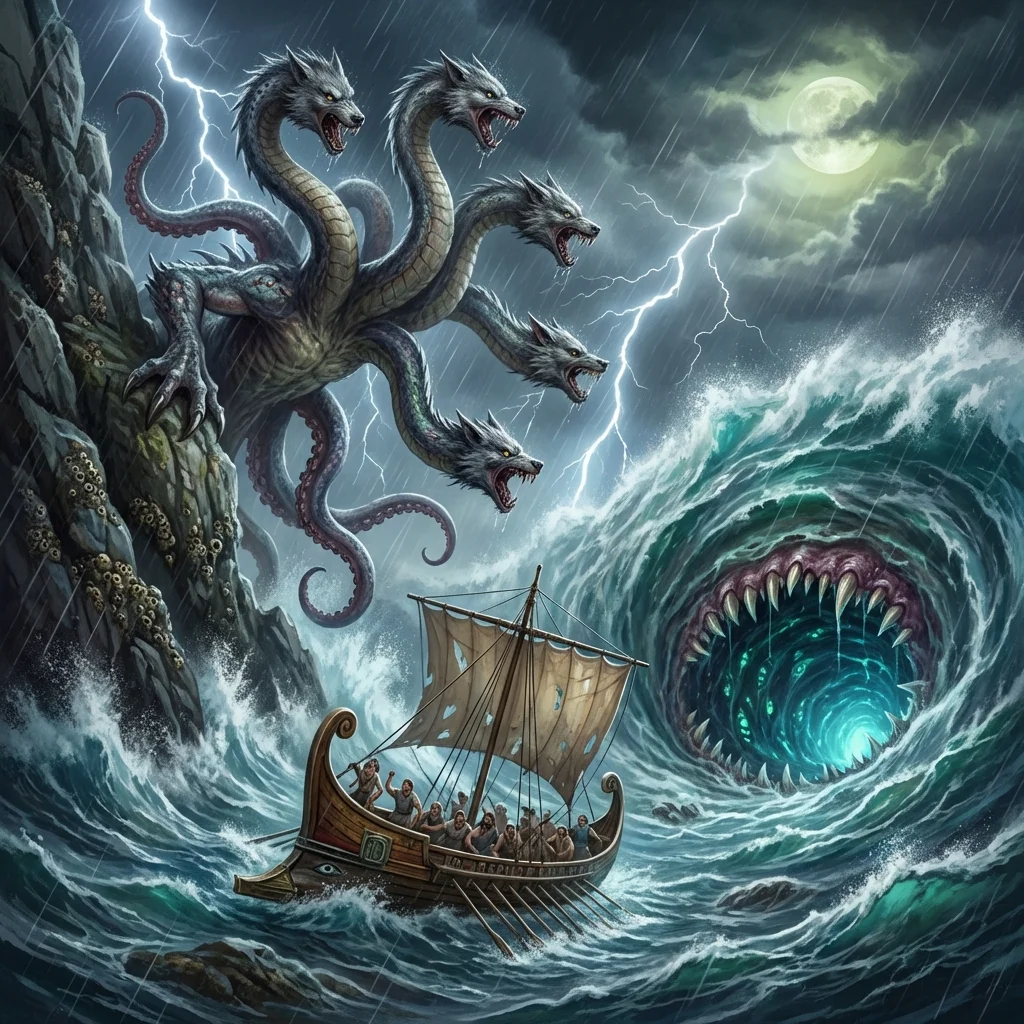
Charybdis
From Ancient Greek comes Charybdis, a sea monster monster of whirlpool.
See How Charybdis Appears in Modern Pop Culture
Featured in Dungeons & Dragons 5e & Pathfinder RPG, Smite & Mythological Combat Arenas, World Mythology Anthologies & Urban Fantasy, and more.
Charybdis Lore & Origins
Charybdis Encounter Protocols & Field Notes
- A tightening spiral of foam and debris on the surface, birds and fish fleeing the center, and a deep, sucking exhale reverberating through the hull.
- avoidance: Do not approach the throat. Give the strait a wide berth, favor high tide windows and open channels, and avoid anchoring or loitering where currents concentrate. Observe bird patterns and surface foam lines to chart a safe course.
- defense: If drawn toward the maw, prioritize distance and lightening your vessel—jettison nonessential cargo and loose gear to reduce drag; reduce sail to ride the swell rather than fight the current; keep crew clear of the lowest decks and secure to avoid being swept. In mythic accounts, talismans or loud offerings can divert its attention long enough to escape.
- offering: No reliable appeasement is recorded; sailors traditionally cast bread, wine or fish into the water as a fleeting distraction, though such gestures are considered desperate rather than effective.
Charybdis Abilities & Powers
- Threefold GulpCycles three times a day to violently suck down a vast column of sea, pulling ships and debris into a crushing abyss before releasing them as wreckage.
- Vomitive SurgeAfter each gulp it expels a boiling deluge that can crush hulls, raise sudden waves and scour coastlines with a concentrated outflow.
- Abyssal AnchorTransforms local currents into focused downward vortices that seize a ship's keel and prevent normal navigation until structural failure occurs.
Weaknesses & How to Defeat the Charybdis
- Predictable CycleIts sucking and belching occur in a regular threefold pattern each day, creating exploitable windows of relative safety.
- Geographic FixityBound to a single undersea chasm in the strait and unable to pursue targets beyond its throat, limiting its area of menace.
- Cliff-Hugging EvasionVessels that steer close to the opposing cliff (the Scylla side) can escape its reach, as Odysseus demonstrated by choosing the lesser peril.
Related Monsters
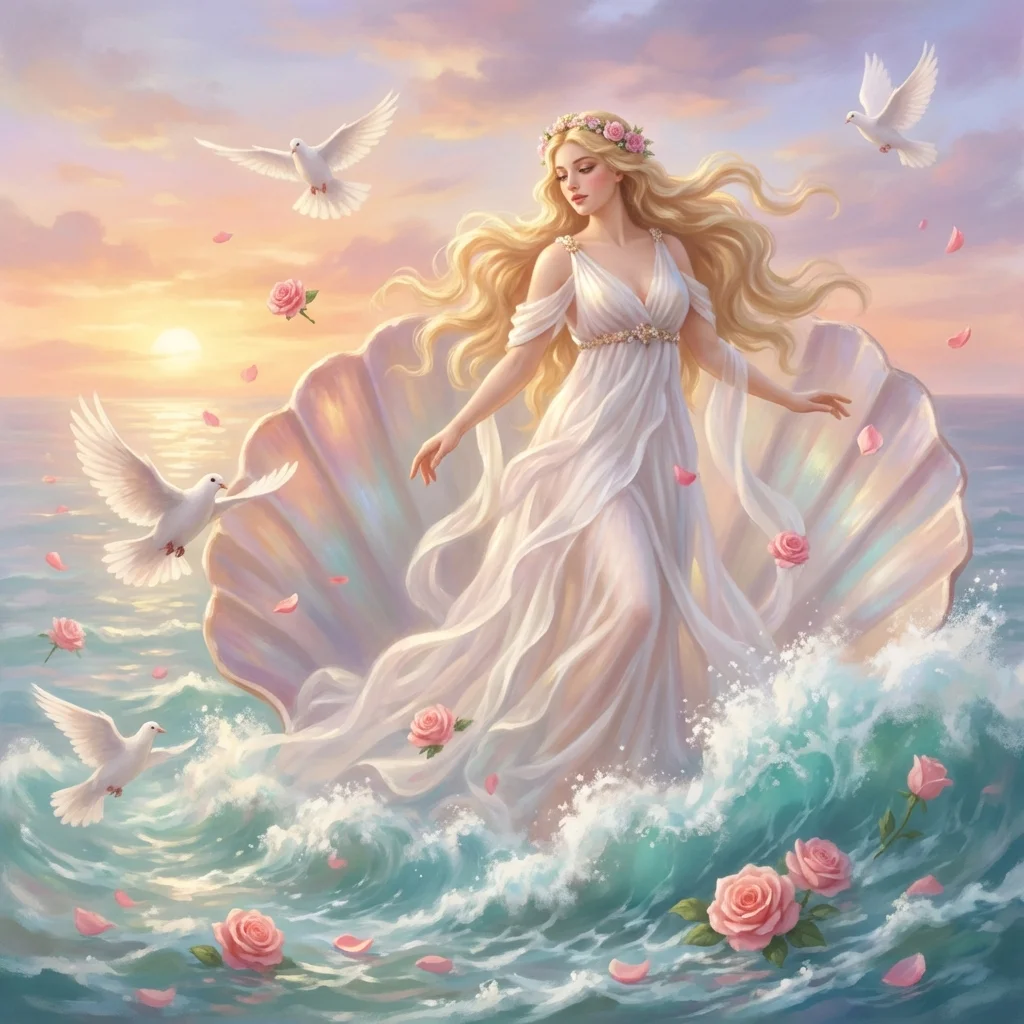
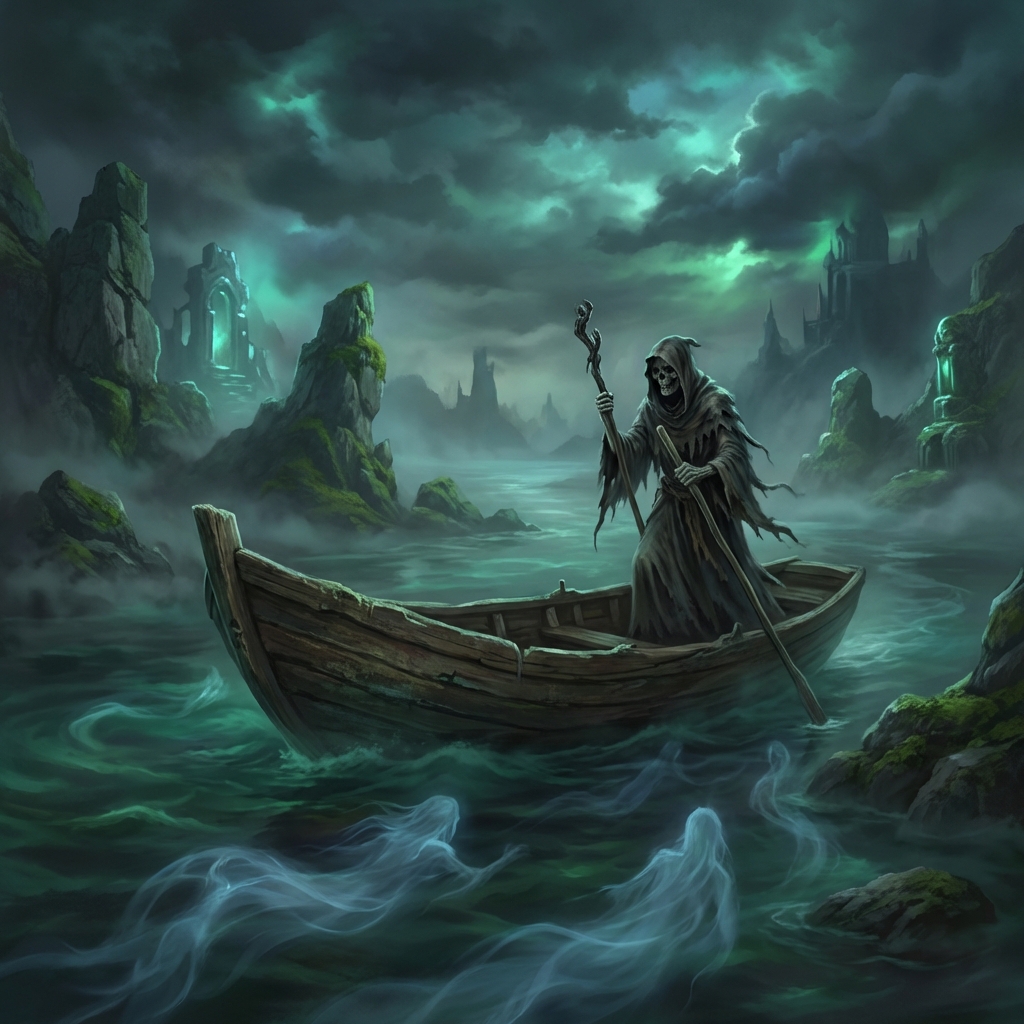
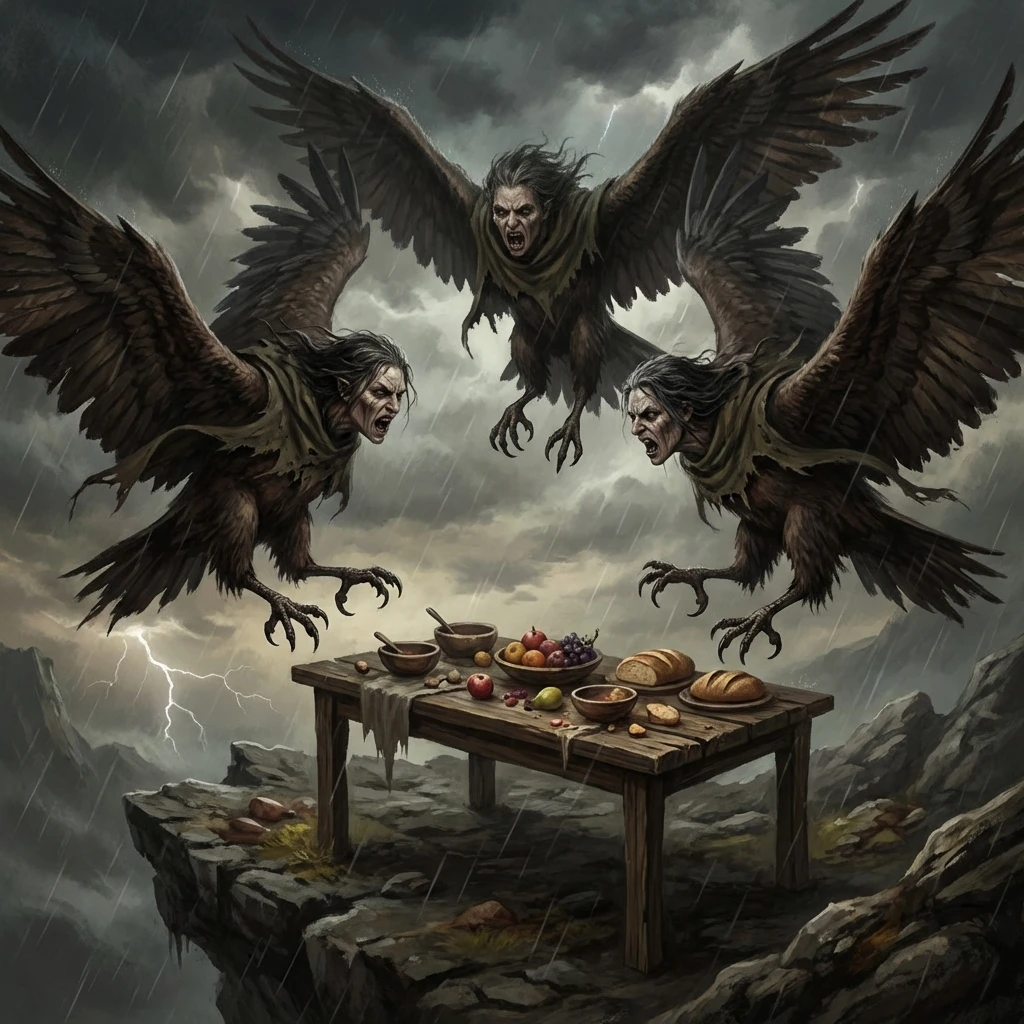
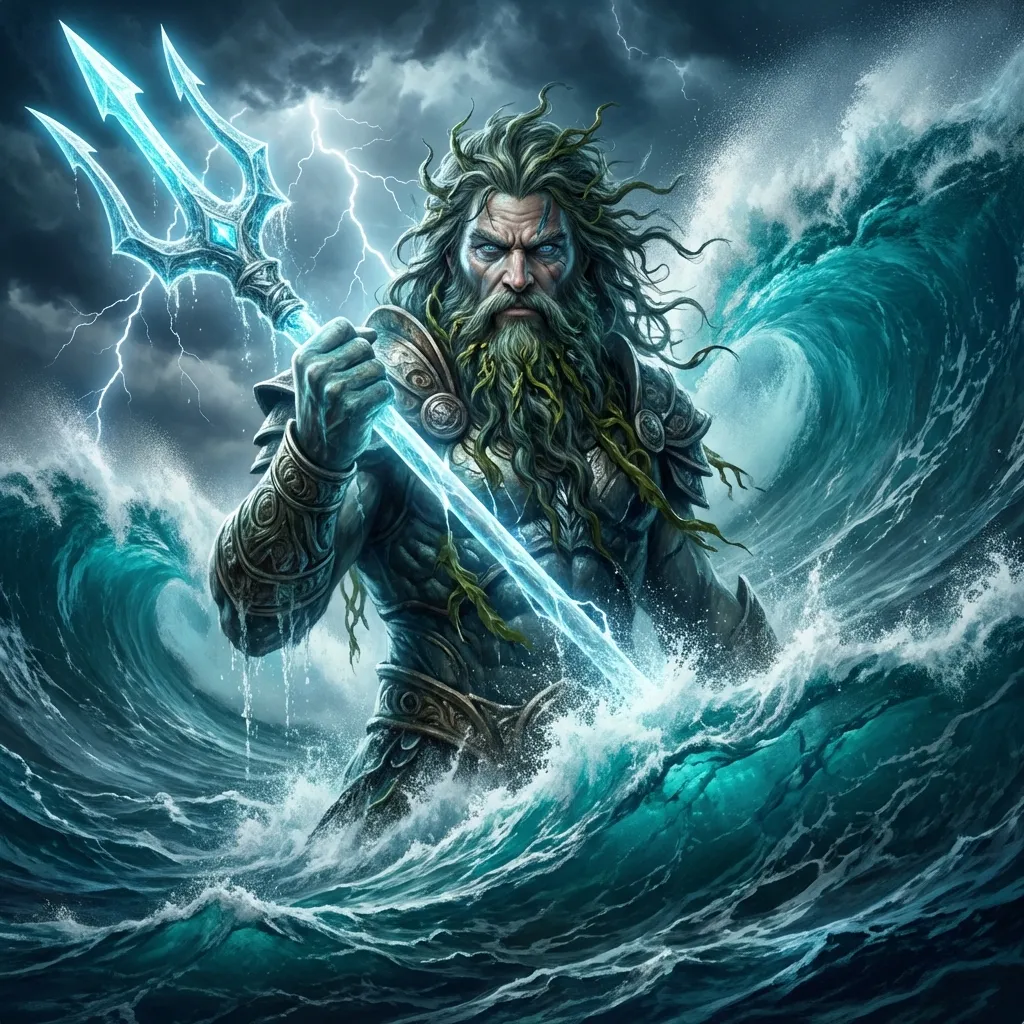
Deepen Your Study of the Charybdis
Access authentic 18th-century explorer field notes, full vulnerability dossiers, and encounter protocols across 405 entities in the complete collector's digital tome.
Who Would Win?
Think you know everything about the Charybdis? Test your knowledge in our Battle Matchups simulator to see how it fares against other legendary creatures.
Recommended Reading
Expand your library with these top-rated books on global mythology & folklore

Mythology: Timeless Tales of Gods and Heroes
By Edith HamiltonThe absolute standard for Greek, Roman, and Norse mythology studies. Excellent source for understanding gods and classic monsters.

The Hero with a Thousand Faces
By Joseph CampbellExplores the monomyth (the Hero's Journey) across global folklore and mythic archetypes, outlining why these stories persist.
Affiliate Disclosure: As an Amazon Associate, we earn from qualifying purchases when you buy recommended books through our links.
Want to discover something else?
Fall down the mythic rabbit hole. Click below to discover a completely random creature from our archives.