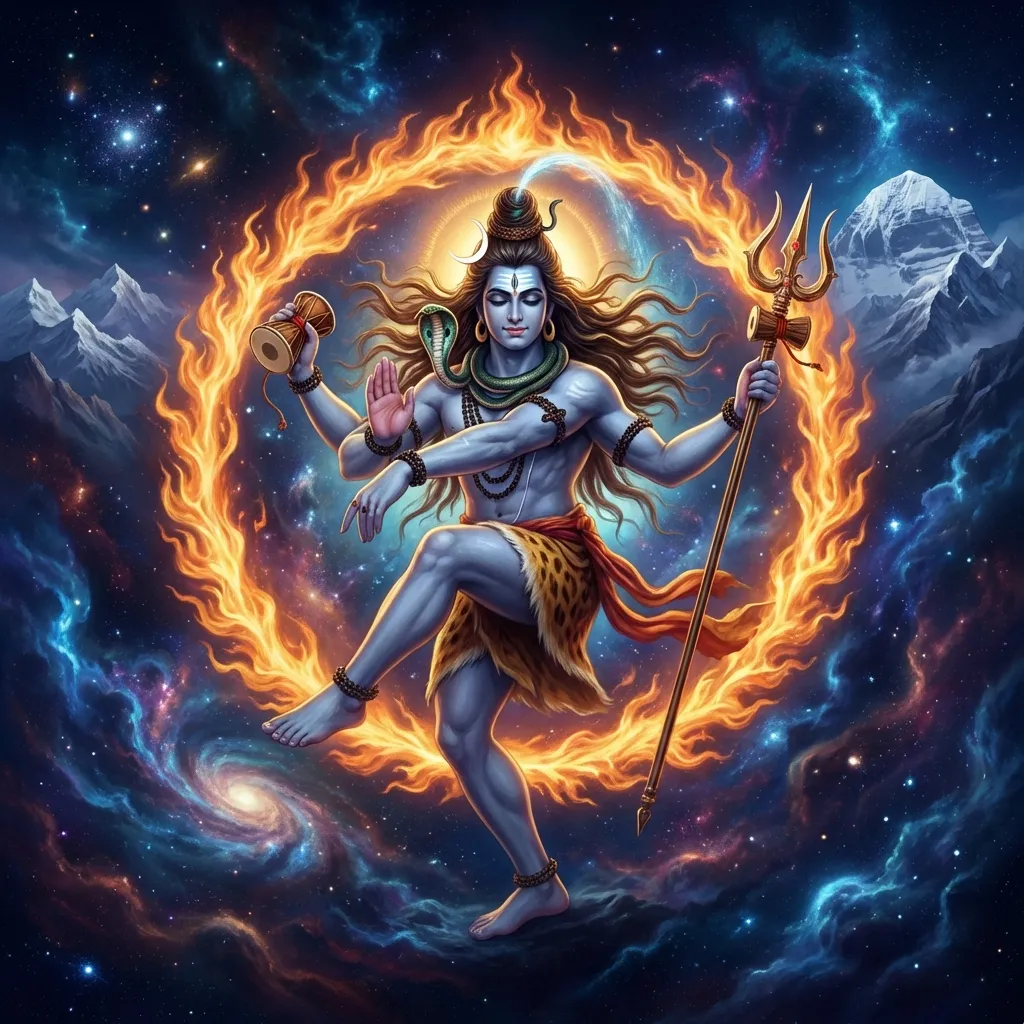
Shiva
Often found in Hinduism, Shiva is a deity of transformation.
Shiva Lore & Origins
Shiva Encounter Protocols & Field Notes
- A distant damaru rhythm combined with the scent of ash and crushed bilva is the clearest sign of presence.
- taboo: Treat with solemn respect: mocking symbols, desecration of sacred forms, or frivolous appropriation of rites is taboo. Avoid turning sacred spaces (like cremation grounds and lingam shrines in lore) into spectacle.
- reverence: Respectful acts in tradition include offerings of water, bilva leaves, incense, and quiet recitation of honoring phrases; observe silence or measured movement, especially on nights associated with Shiva (e.g., Maha Shivaratri). Reverence is best shown through restraint, humility, and acknowledgement of transformation.
- offering: Water poured on a symbol, bilva (bael) leaves, sandalwood incense, and mindful chanting (e.g., traditional mantras) are commonly cited as appeasing or honoring.
Shiva Abilities & Powers
- Tandava — Cosmic Dance of DissolutionPerforms the Tandava to unmake structures of reality, collapsing fortresses, rituals and social order in a ripple of existential dissolution.
- Third Eye IncinerationOpens his third eye to unleash a focused conflagration that reduces living and metaphysical matter to ash and nullity.
- Trishula Axis RendStrikes with the Trishula to rend the fabric of space and protections, creating precise, rune-like fractures through armor, wards and mountains.
- Neelkanth's Halāhala ReservoirAbsorbs and contains world-poison (halāhala) within himself or expels it as a concentrated toxic torrent that corrodes flesh and enchantment alike.
- Ganga's Descent from the JataReleases the Ganges from his matted hair to purify, heal or drown — washing away corruption or inundating enemy positions with sacred floodwaters.
Weaknesses & How to Defeat the Shiva
- Parvati's RestraintThe earnest presence or intercession of Parvati calms his wrath and can arrest active destruction or compel him to spare those she defends.
- Oath-Bound BoonsCosmic law compels him to honor any boon he grants, allowing adversaries to bind his actions by securing promises or conditions.
- Ascetic Withdrawal on KailashDuring deep tapasya on Mount Kailash he withdraws from worldly affairs, becoming unresponsive and delaying any immediate intervention.
Related Monsters


Who Would Win?
Think you know everything about the Shiva? Test your knowledge in our Battle Matchups simulator to see how it fares against other legendary creatures.
Recommended Reading
Expand your library with these top-rated books on global mythology & folklore

Mythology: Timeless Tales of Gods and Heroes
By Edith HamiltonThe absolute standard for Greek, Roman, and Norse mythology studies. Excellent source for understanding gods and classic monsters.

The Hero with a Thousand Faces
By Joseph CampbellExplores the monomyth (the Hero's Journey) across global folklore and mythic archetypes, outlining why these stories persist.
Affiliate Disclosure: As an Amazon Associate, we earn from qualifying purchases when you buy recommended books through our links.
Want to discover something else?
Fall down the mythic rabbit hole. Click below to discover a completely random creature from our archives.