Sasquatch: The King of the Woods
The Man-Ape
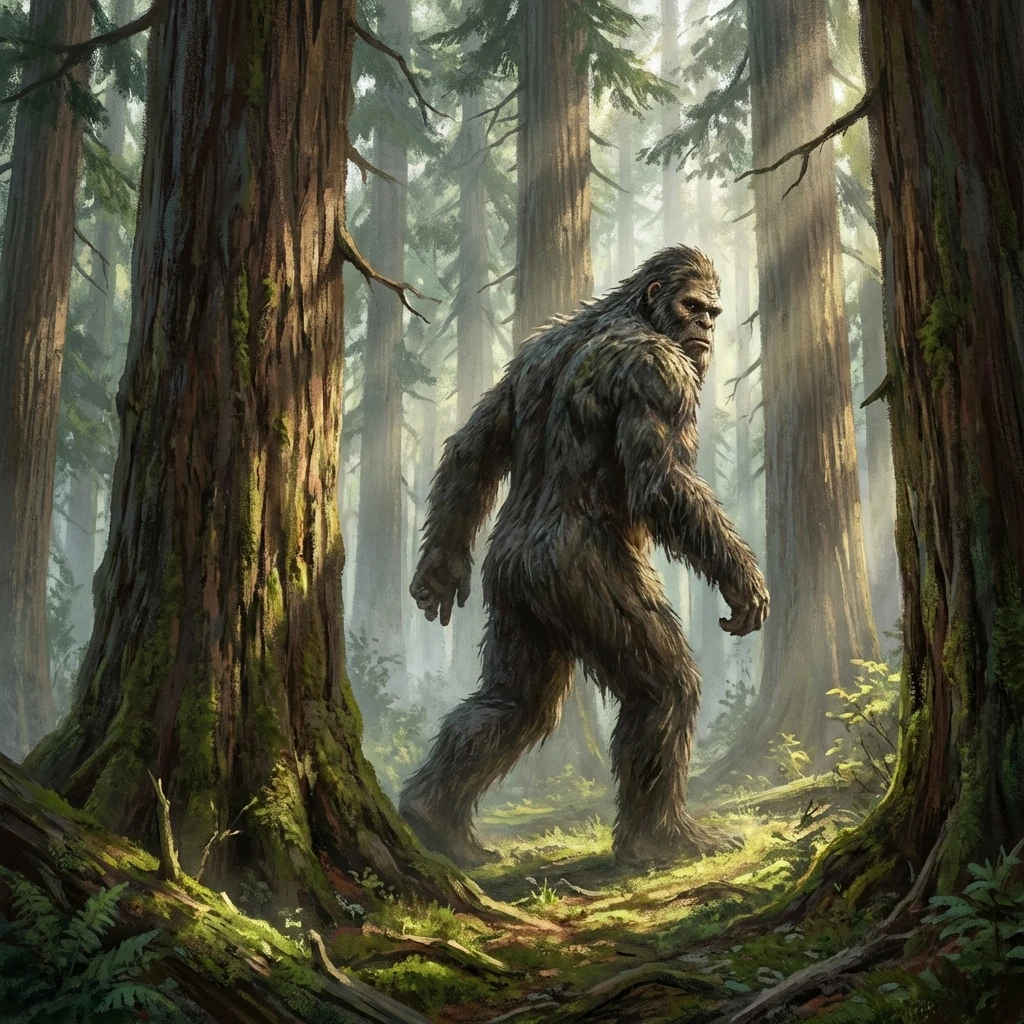
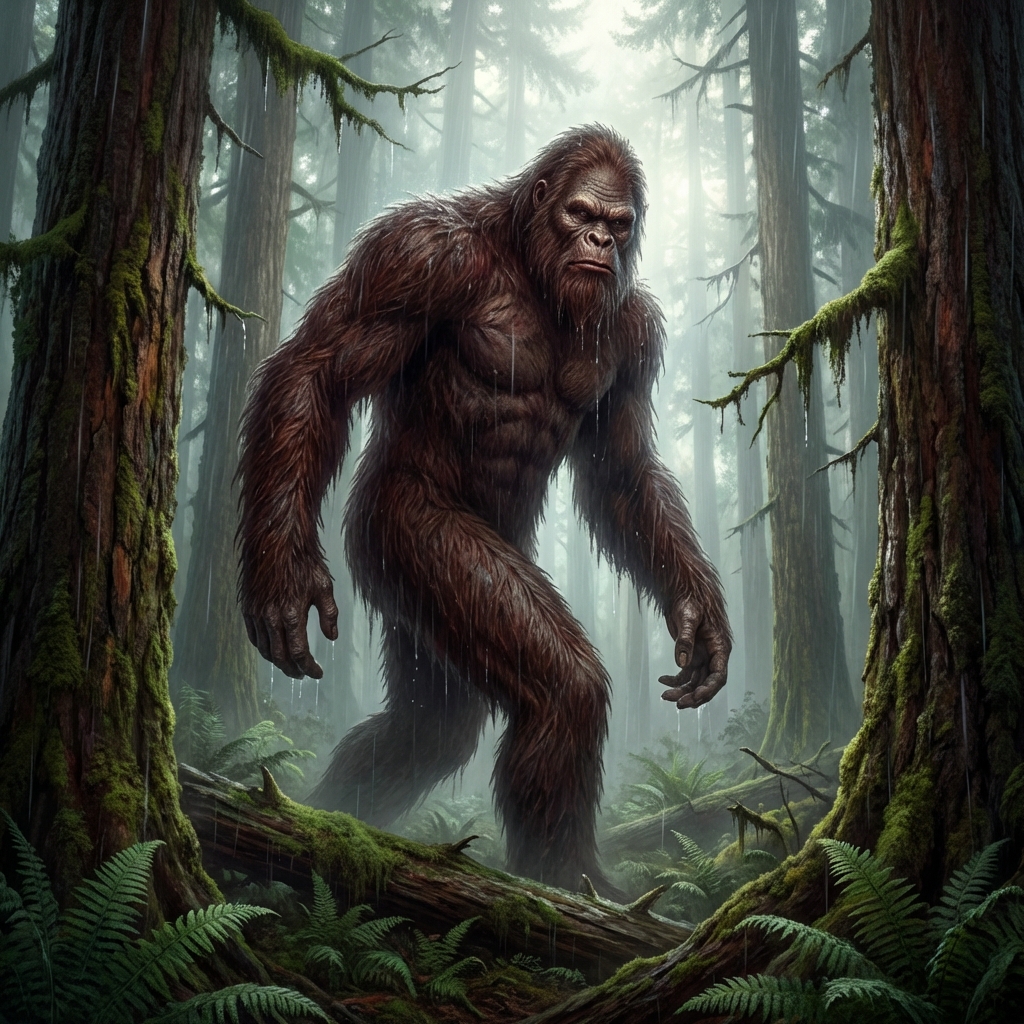
Sasquatch (from the Salish Sasq'ets) is the enduring icon of the North American wilderness. Often called Bigfoot, he is described as a bipedal ape-like creature standing between 7 and 9 feet tall. He is covered in dark brown or reddish hair. He moves with a fluid, silent gait that defies his massive size. He is not a monster. He is a relict hominid or a forest spirit, depending on who you ask.
The Evidence of Absence
Sasquatch is defined by his elusiveness. He leaves footprints (16-24 inches long), but no bones. He is seen by thousands, but captured by none. The most famous evidence remains the 1967 Patterson-Gimlin film, which shows a female Sasquatch walking away with a casual, annoyed glance at the camera. Skeptics call it a suit. Believers call it proof.
The Behavior
Witnesses report consistent behaviors:
- Wood Knocking: Loud, rhythmic banging of sticks against trees, used for long-distance communication.
- Rock Throwing: Hurling massive stones near campsites as a warning (bluff charges).
- The Stench: A foul odor described as a mix of wet dog, sulfur, and garbage.
The Predator Silence
The most chilling sign of Sasquatch is not noise, but silence. When he enters an area, the forest goes quiet. Birds stop singing. Crickets stop chirping. This "Predator Silence" is nature's alarm system.
The Final Warning
If you are hiking in the Pacific Northwest and the woods suddenly go dead silent, or you smell wet fur, do not run. Just back away, knowing that he was watching you first.
Featured Creature Profile
Bigfoot
Bigfoot is a Cryptid — a large, bipedal, hair-clad hominid said to inhabit dense temperate forests. Field notes record a hulking, muscular silhouette moving between trees, a coat of dark, coarse hair that gathers dew, and a presence like a living shadow. Smell: a deep, loamy musk of damp earth, crushed cedar, and old smoke. Sound: low, resonant whoops, tree knocks, long mournful whistles and heavy, deliberate footfalls that Set the forest floor to a slow tremor. Temperature: described by witnesses as surprisingly warm to the touch of the surrounding air, the steady heat of a large mammal rather than an uncanny chill. Observers often note the tactile evidence first — flattened understory, snapped saplings, and oversized humanlike prints — before any silhouette appears.