Top 10 Mountain Monsters and Mythical Creatures
Top 10 Mountain Monsters and Mythical Creatures
Mountains are awe-inspiring and highly dangerous. The thin air, sheer cliffs, and unpredictable weather make them hostile to human life. Because their peaks are often hidden by clouds, ancient peoples believed mountains were the homes of the gods—and the monstrous guardians who protected them. Here are the top 10 mythical creatures that rule the high altitudes.
1. The Yeti (Himalayan Folklore)
The undisputed king of the mountains, the Yeti (or Abominable Snowman) is a massive, ape-like cryptid that roams the highest, most inaccessible peaks of the Himalayas. Deeply ingrained in the folklore of Tibet and Nepal, the Yeti is considered a guardian spirit of the mountains. Its massive footprints in the snow have fascinated explorers for over a century.
2. Mountain Trolls (Scandinavian Folklore)
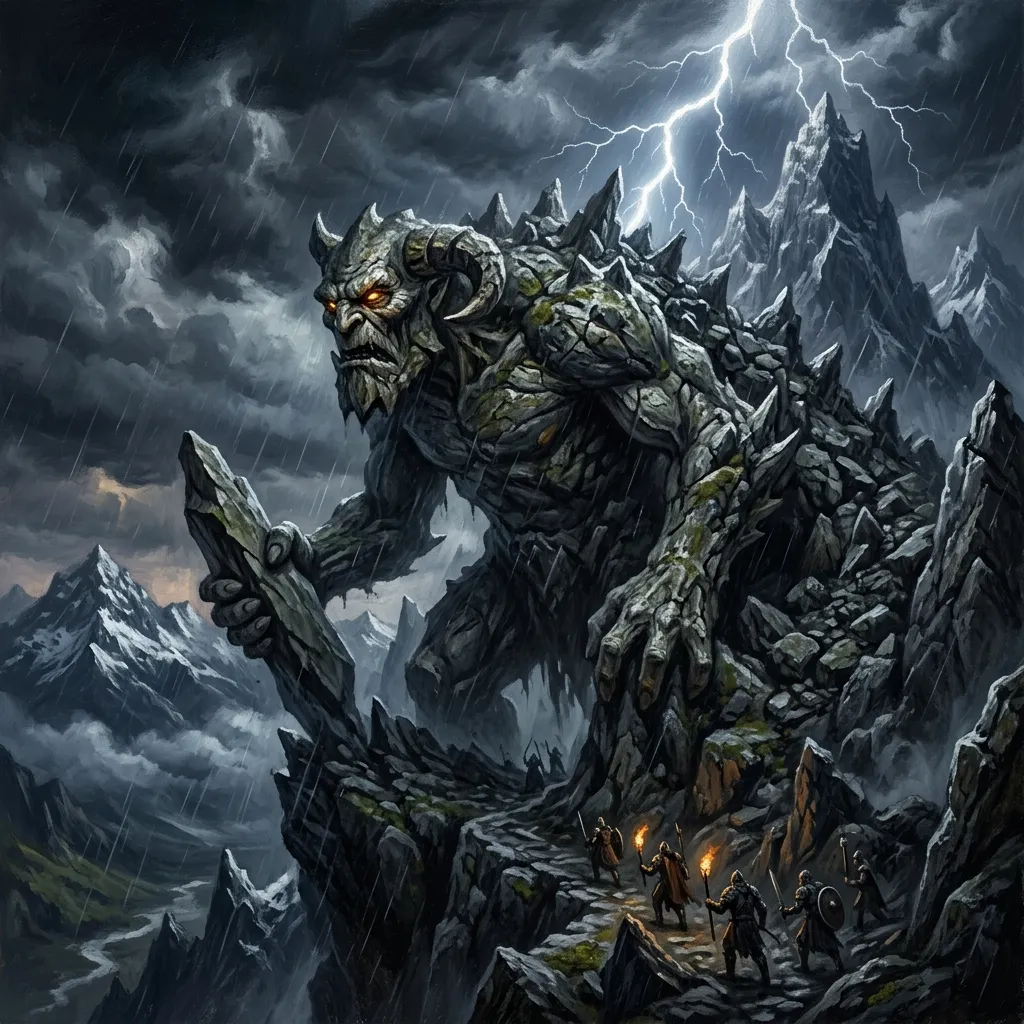
The highest peaks of Norway and Sweden are the domain of the Mountain Trolls. Unlike the smaller trolls of the forests, mountain trolls are colossal, ancient, and slow-moving. They are so large that when they sleep, they are often mistaken for the mountains themselves. They are incredibly strong and deeply hostile to Christianity, known to throw massive boulders at church bells.
3. The Roc (Middle Eastern Folklore)
Though it hunts over the ocean and deserts, the Roc builds its massive nests on the highest, most inaccessible mountain peaks. This bird of prey is so large it can carry off elephants. Its mountaintop aerie is filled with unimaginable treasures, but the sheer size of the bird makes any attempt to climb the mountain and steal from it practically suicidal.
4. Cyclopes (Greek Mythology)
The Cyclopes were a race of one-eyed giants. While some worked as blacksmiths for the gods, others, like Polyphemus, lived as shepherds in remote mountain caves. They were incredibly strong and fiercely territorial, showing no hospitality to strangers. When Odysseus and his men entered a Cyclops's mountain cave, they were trapped and eaten one by one until they managed to blind the giant.
5. Tengu (Japanese Mythology)
The Tengu are powerful yōkai that inhabit the mountainous regions of Japan. Initially depicted as demonic, bird-like creatures, they evolved into protective mountain ascetics with red faces and long noses. They are masters of martial arts and illusions. Those who disrespect the sacred mountains or the Buddhist monks who live there will face the swift and violent wrath of the Tengu.
6. Yeti's Cousin: The Almas (Central Asian Folklore)
Roaming the Altai and Tien Shan mountains of Central Asia, the Almas is another cryptid hominid. Unlike the Yeti, the Almas is described as being much closer to a wild human or Neanderthal, covered in reddish-brown hair. They avoid human contact, living in deep mountain caves and surviving the harsh winters by foraging and hunting in the high altitudes.
7. Pamola (Abenaki Mythology)
The protector of Mount Katahdin in Maine, Pamola is a fearsome god of thunder with the head of a moose, the body of a man, and the wings of an eagle. He controls the vicious winter storms and the freezing winds that batter the mountain peak. Native tribes considered climbing the mountain strictly forbidden, as entering Pamola's domain was an insult that invited freezing death.
8. The Chimera (Greek Mythology)
In the mountains of Lycia (modern-day Turkey), the fire-breathing Chimera terrorized the countryside. It was a terrifying hybrid monster with the body and head of a lion, a goat's head rising from its back, and a serpent for a tail. It made its lair in the rocky crags, swooping down to burn villages and devour livestock until it was slain by the hero Bellerophon riding Pegasus.
9. Barbegazi (Swiss & French Folklore)
The Barbegazi are small, white-furred dwarves native to the snowy peaks of the Alps. They are easily recognizable by their enormous feet, which they use to ski down the mountains or surf on avalanches. They are generally shy and hibernate during the summer, but they have been known to help lost mountaineers find their way down the treacherous slopes before a storm hits.
10. Dragons (Global Mythology)
Across European and Asian mythology, Dragons are intrinsically linked to mountains. Mountains provide the perfect inaccessible caves for dragons to hoard their stolen gold and sleep undisturbed for centuries. Notable examples include Smaug from The Hobbit, who claimed the Lonely Mountain, and the Zmey Gorynych of Slavic folklore, a multi-headed dragon that terrorized the mountain passes.