Top 10 Trickster Spirits and Shape-shifters
Top 10 Trickster Spirits and Shape-shifters
While some monsters inspire fear through sheer size or brute strength, others are far more subtle. The trickster is a universal archetype found in almost every culture's mythology. These beings rely on magic, illusion, and razor-sharp wit to deceive humans and gods alike. Some are benevolent teachers using harsh lessons, while others are malicious con artists. Here are the top 10 trickster spirits and shape-shifters from global folklore.
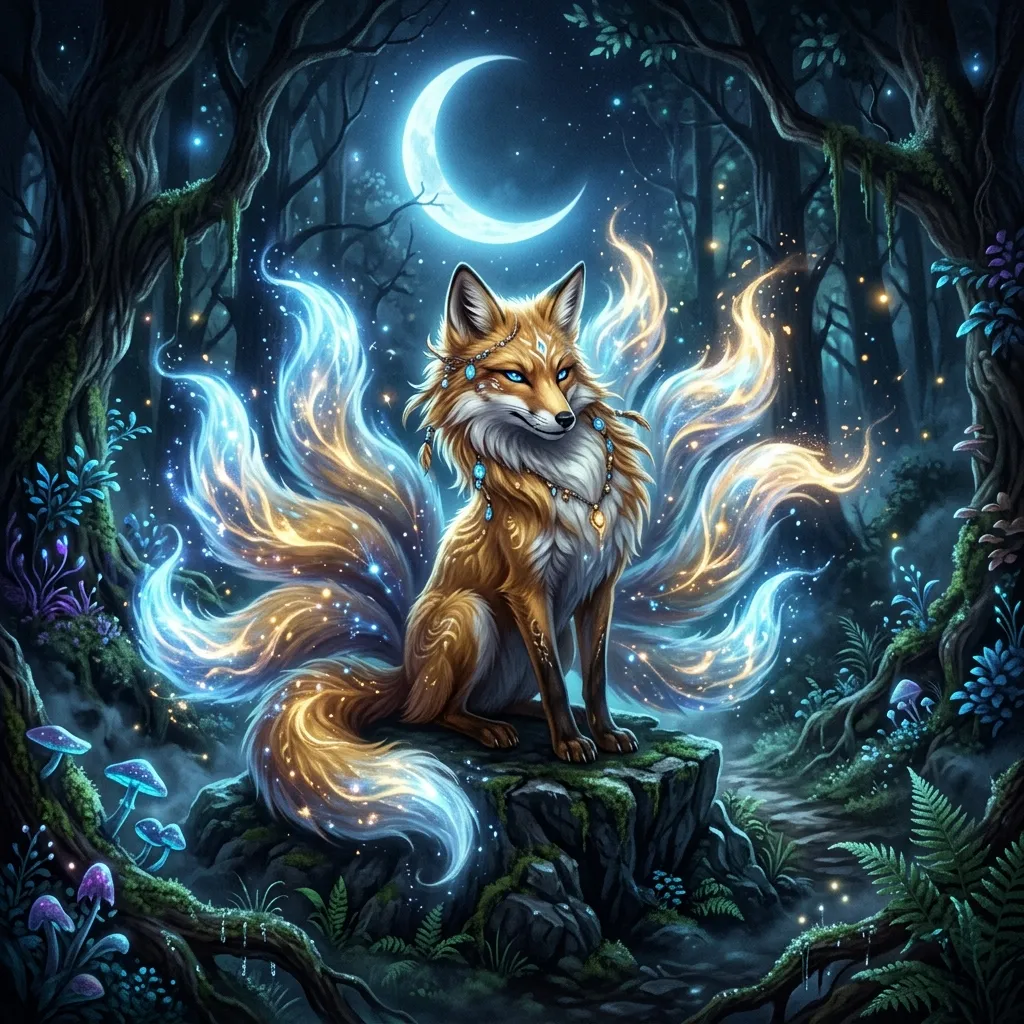
1. Kitsune (Japanese Mythology)
The Kitsune is a highly intelligent, magical fox capable of shape-shifting into human form—often as a beautiful young woman or a wise old man. As they grow older and more powerful, they gain more tails, up to a maximum of nine. While some Kitsune serve the rice goddess Inari as benevolent messengers, others (Yako) are mischievous tricksters who enjoy possessing people or leading greedy travelers astray.
2. Loki (Norse Mythology)
The most famous trickster god, Loki, is a master of deception and shape-shifting. Throughout Norse mythology, he shifts into a salmon, a mare, a fly, and an old woman. He is the ultimate catalyst for change among the Aesir—sometimes helping the gods out of impossible situations, but just as often causing catastrophic problems, ultimately leading the forces of chaos during Ragnarok.
3. Anansi (West African Folklore)
Originating from the Akan people of Ghana, Anansi is a cunning spider spirit who is often depicted as a man with spider-like features. He is the spirit of all knowledge of stories. Anansi frequently uses his intelligence and trickery to outsmart much larger, more powerful animals (and sometimes even the sky god, Nyame) to achieve his goals, proving that brains can triumph over brawn.
4. Coyote (Native American Mythology)
In many Native American cultures, particularly in the Southwest and Plains, the Coyote is the ultimate trickster figure. He is often portrayed as a creator and a teacher, but one whose lessons come through humorous, foolish, or selfish behavior. Coyote's endless curiosity and boundary-pushing often result in him getting into severe trouble, but he always manages to survive and teach humanity a lesson in the process.
5. Púca (Celtic Folklore)
The Púca is a highly unpredictable, shape-shifting fairy from Celtic folklore. It most commonly takes the form of a wild, dark horse with glowing golden eyes, but can also appear as a goat, a hare, or a goblin-like man. The Púca is known to offer a terrifying, wild ride on its back to unwary travelers out at night. Though mischievous and frightening, they generally do not cause permanent harm.
6. Sun Wukong (Chinese Mythology)
The Monkey King, Sun Wukong, is an immensely powerful and arrogant trickster. Born from a magic stone, he learned 72 earthly transformations, allowing him to turn into almost any animal or object. His rebellious nature led him to wreak havoc in Heaven, stealing the Peaches of Immortality and erasing his name from the Book of Life and Death, before he was finally humbled by the Buddha.
7. Raven (Pacific Northwest Native Mythology)
For the Indigenous peoples of the Pacific Northwest, the Raven is a complex creator god and the ultimate trickster. He is credited with placing the sun, moon, and stars in the sky—often by stealing them from a greedy chief who was keeping them hidden in boxes. Raven is driven by his massive appetite and endless curiosity, using his ability to shape-shift to constantly manipulate the world around him.
8. The Tanuki (Japanese Mythology)
While real tanuki are Japanese raccoon dogs, the mythological Bake-danuki is a jovial, shape-shifting yōkai. Unlike the elegant Kitsune, Tanuki are often depicted as bumbling, humorous, and gullible tricksters who love alcohol and money. They are famous for using magical leaves to transform into humans or everyday objects, often tricking merchants with fake money made of dry leaves.
9. Eris / Discordia (Greek Mythology)
Eris is the Greek goddess of strife and discord. While not a shape-shifter, her mastery of trickery caused one of the greatest conflicts in mythology. Uninvited to a divine wedding, she spitefully tossed a Golden Apple marked "For the Fairest" among the goddesses Hera, Athena, and Aphrodite. This single, calculated trick ultimately sparked the decade-long Trojan War.
10. Selkies (Scottish & Irish Folklore)
Selkies are gentle shape-shifters who live as seals in the ocean but shed their skin to become beautiful humans on land. While they are not malicious tricksters, their stories are deeply rooted in deception. In many tragic tales, a human will find a Selkie's discarded skin and hide it, trapping the Selkie in human form to force a marriage, until the Selkie eventually finds the skin and escapes back to the sea.