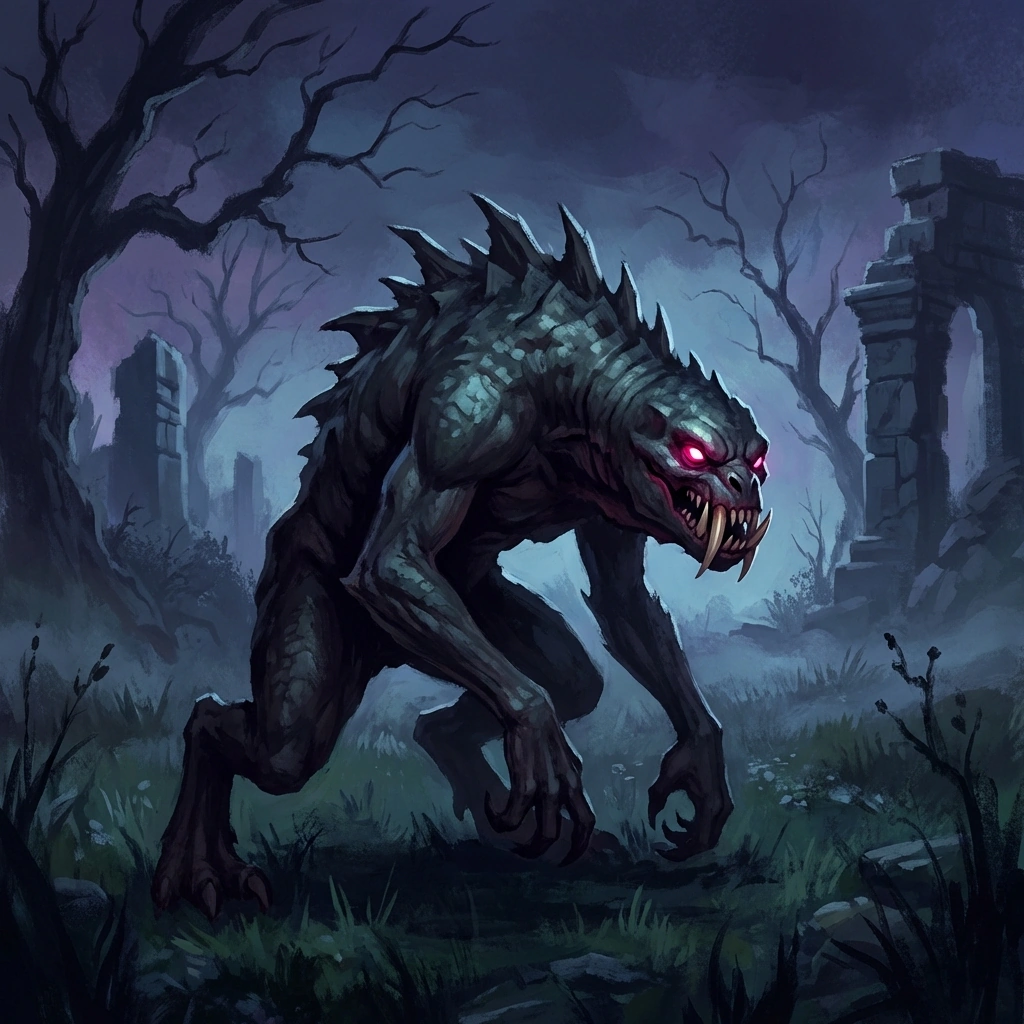
Chupacabra
Chupacabra is a Puerto Rican / Latin American cryptid distinguished by predator.
See How Chupacabra Appears in Modern Pop Culture
Featured in Red Dead Redemption: Undead Nightmare, The X-Files: 'El Mundo Gira', Chupa, and more.
Chupacabra Lore & Origins
Chupacabra Encounter Protocols & Field Notes
- One tell-tale sign is livestock found with small, circular puncture marks and an accompanying faint metallic odor; tracks may be narrow, three-toed impressions with claw scrapes and a surrounding hush among wildlife.
- avoidance: Keep distance and avoid nocturnal travel in reported zones. Secure animals in sturdy, well-lit enclosures at dusk. Do not approach sightings; note direction and retreat to shelter quietly. Avoid leaving attractants (unfenced animals, unsecured feed).
- defense: Non-lethal deterrents are recommended: bright, continuous light (floodlights or lanterns), motion-activated alarms, loud sustained noise, and livestock guardian animals (dogs, donkeys). Create hard barriers between you and the animal (vehicles, buildings). If confronted, move calmly to cover, make yourself large and noisy, and call local authorities or experienced trackers rather than attempting to pursue.
- offering: No reliable appeasement is recorded; intentional baiting is discouraged. Practical offerings—if any—are preventative: salt lines, bright lights, and secure feed to reduce attraction.
Chupacabra Abilities & Powers
- Triple‑Puncture HemovoreMakes three precise, needle‑like punctures to rapidly siphon blood from livestock, leaving bodies desiccated and drained.
- Nocturnal ShadowfoldUses the cover of night and low silhouette to mask scent and sound, allowing it to approach herds undetected.
- Spine‑Glow IntimidationFlashes bioluminescent or glowing dorsal spines and eyes to panic animals and scatter guardians before the attack.
Weaknesses & How to Defeat the Chupacabra
- Gunshot VulnerabilityDespite supernatural reports, physical trauma (well‑placed bullets) can incapacitate or kill it.
- Daylight DisorientationDaylight breaks its stealth and reduces its speed and hunting efficiency significantly.
- Pack DogsAlert, aggressive guardian dogs detect its scent and will harry or drive it off from pastures.
Related Monsters


Deepen Your Study of the Chupacabra
Access authentic 18th-century explorer field notes, full vulnerability dossiers, and encounter protocols across 405 entities in the complete collector's digital tome.
Who Would Win?
Think you know everything about the Chupacabra? Test your knowledge in our Battle Matchups simulator to see how it fares against other legendary creatures.
Recommended Reading
Expand your library with these top-rated books on global mythology & folklore

Mythology: Timeless Tales of Gods and Heroes
By Edith HamiltonThe absolute standard for Greek, Roman, and Norse mythology studies. Excellent source for understanding gods and classic monsters.

The Hero with a Thousand Faces
By Joseph CampbellExplores the monomyth (the Hero's Journey) across global folklore and mythic archetypes, outlining why these stories persist.
Affiliate Disclosure: As an Amazon Associate, we earn from qualifying purchases when you buy recommended books through our links.
Want to discover something else?
Fall down the mythic rabbit hole. Click below to discover a completely random creature from our archives.