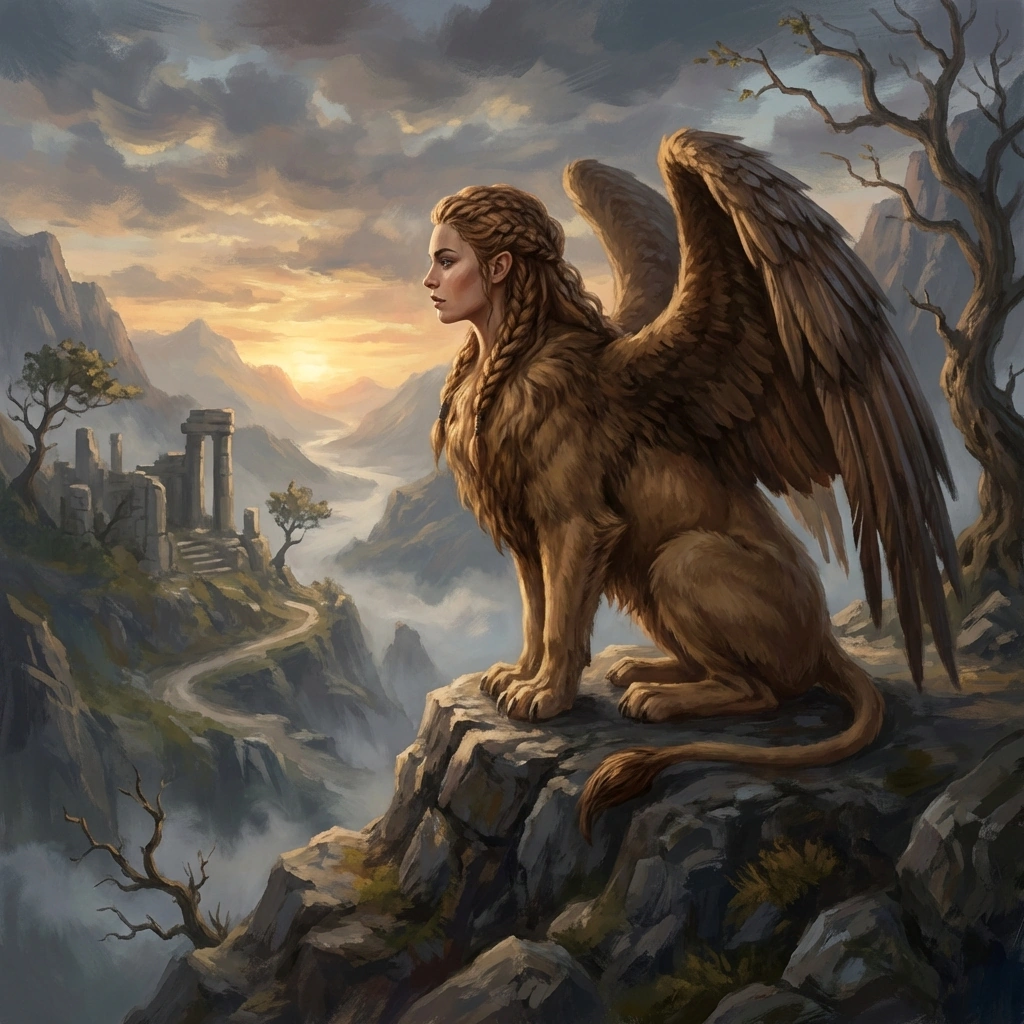
Sphinx
Sphinx is a Greek; Egyptian trickster fae distinguished by riddle.
Sphinx Lore & Origins
Sphinx Encounter Protocols & Field Notes
- A ring of flattened ground or polished stone at a roadside, a half-erased riddle or scratching in nearby masonry, and broad feline pawprints paired with a human heel impression.
- mischief: The Sphinx delights in questions and the precision of language. It will pose riddles, test travelers with paradoxes, and enforce bargains down to the letter; it may twist a casual phrase, take a metaphor literally, or alter the rules of a challenge midstream if the exchange amuses it. It punishes arrogance and sloppy answers, and rewards ingenuity or a clever turn of phrase.
- interaction: Approach with calm and clarity. Expect a formal exchange: listen fully, answer plainly, and avoid evasions or flippant jokes. Offer a riddle in return or present a concise truth if asked; if you cannot answer, propose a fair trade of knowledge or an earnest offering. Do not attempt to deceive; a Sphinx values the letter of a bargain. Maintain steady posture and measured speech — sudden flight or aggressive gestures are considered part of the game and may provoke further trials.
- offering: A new riddle, a short confession of true name or fact, a scrap of rare knowledge, or small rites of incense/linen depending on local custom.
Sphinx Abilities & Powers
- Riddle of UnmakingSpeaks a single cunning riddle whose wrong answer magically paralyzes the mind with doubt and leaves the failed challenger vulnerable to death or consumption.
- Devouring PounceA sudden leonine strike that crushes and, by mythic appetite, rends and devours a defeated foe in one motion.
- Enigmatic PresenceEmits an aura that clouds memory and judgment around thresholds, forcing travelers into hesitation until they confront the riddle.
- Guardian's FlightUses broad wings to patrol cliffs and roads, enabling rapid aerial ambushes and repositioning of its watch.
Weaknesses & How to Defeat the Sphinx
- Answered RiddleWhen its riddle is correctly solved the Sphinx's enchantment breaks and tradition holds that it will flee or destroy itself, ending its threat.
- Bound to PlaceClassic lore ties the Sphinx to a specific gate, tomb, or ridge, severely limiting its ability to abandon its post.
- Revealed OriginThe revelation of its true name, birthplace, or lineage disrupts its illusions and weakens its mental dominion.
Related Monsters

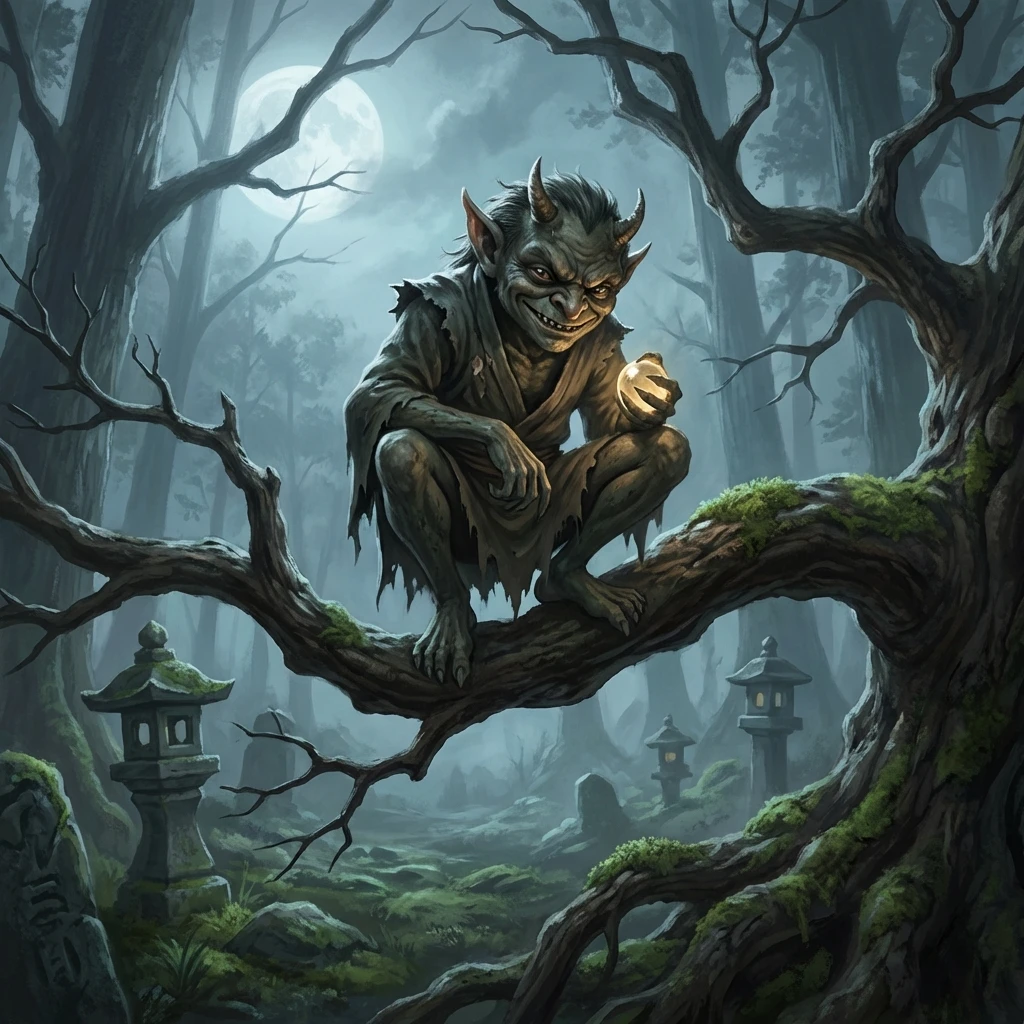
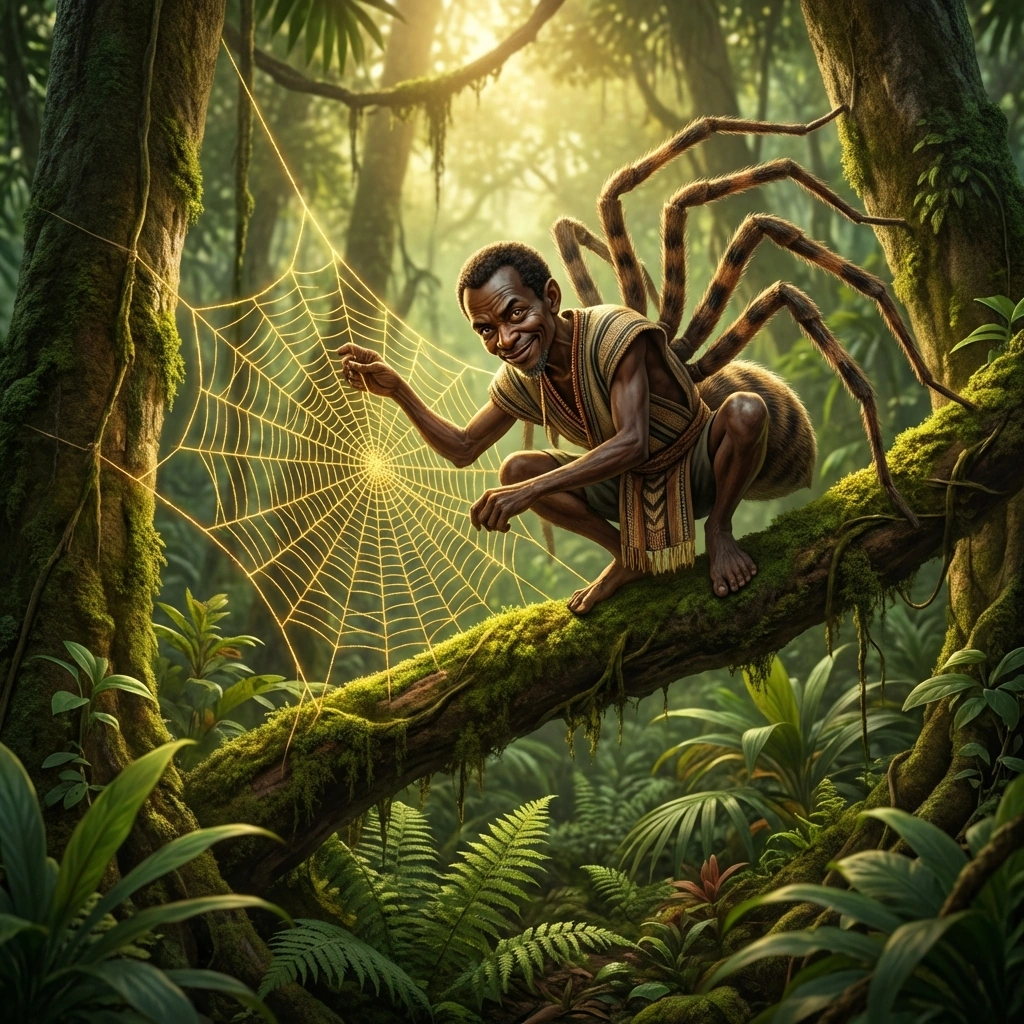
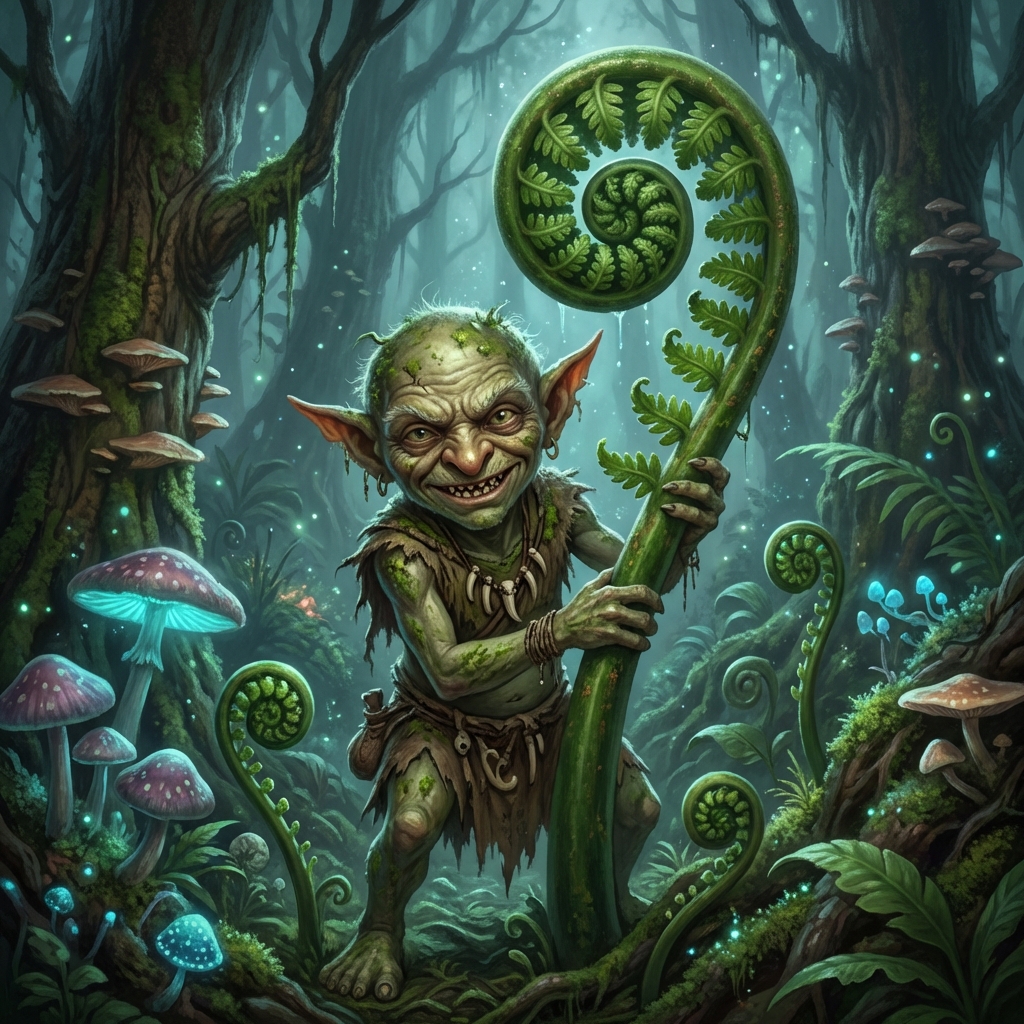
Who Would Win?
Think you know everything about the Sphinx? Test your knowledge in our Battle Matchups simulator to see how it fares against other legendary creatures.
Recommended Reading
Expand your library with these top-rated books on global mythology & folklore

Mythology: Timeless Tales of Gods and Heroes
By Edith HamiltonThe absolute standard for Greek, Roman, and Norse mythology studies. Excellent source for understanding gods and classic monsters.

The Hero with a Thousand Faces
By Joseph CampbellExplores the monomyth (the Hero's Journey) across global folklore and mythic archetypes, outlining why these stories persist.
Affiliate Disclosure: As an Amazon Associate, we earn from qualifying purchases when you buy recommended books through our links.
Want to discover something else?
Fall down the mythic rabbit hole. Click below to discover a completely random creature from our archives.