Egyptian Mythology
Underworld Lords & Tomb Guardians
Forged along the fertile banks of the Nile and the burning desert sands, ancient Egyptian mythology centers on preserving Ma'at (cosmic truth, balance, and order) against Isfet (chaos). The beasts of this pantheon serve as divine arbiters of souls, fierce protectors of pharaonic tombs, and primordial demons of the void.
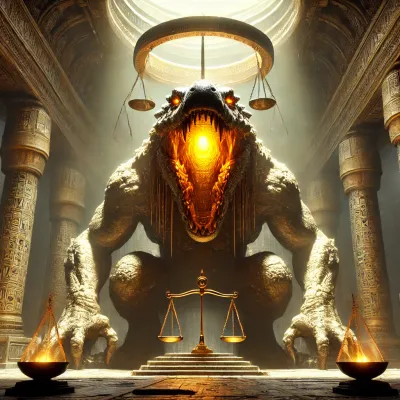
Ammit
Ammit is a Deity — a composite judge-beast of the Egyptian afterlife, part crocodile, part lion, part hippopotamus, described with the precise eye of a f...
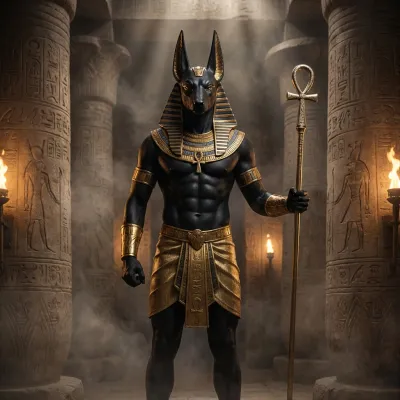
Anubis
Anubis is a Deity of the necropolis and embalming rites: a jackal-headed guardian whose presence arrives like a shadow at the lip of a tomb. Smell: dry n...
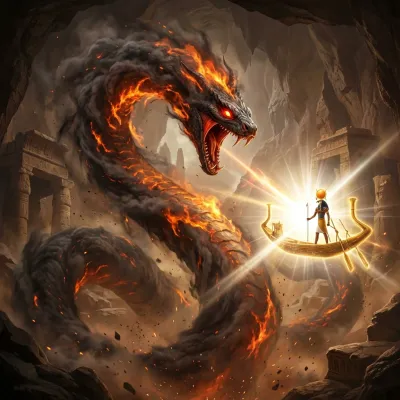
Apep
Apep is a Deity and colossal primordial serpent, catalogued here as a Hostile presence: a living fissure in the night that opposes the sun. In the field ...
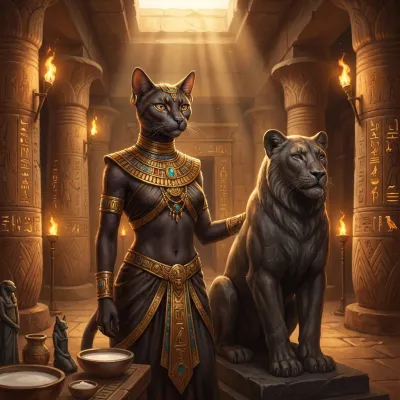
Bastet
Bastet is a Deity (goddess of home, cats, and protection) whose presence reads like a field note on sacred domesticity. Smell: a steady veil of myrrh and...

Bennu
Bennu is a solar avian Deity often recorded as a heron-like bird of gold and ash, a presence more felt than confined. In the field, its plumage reads lik...
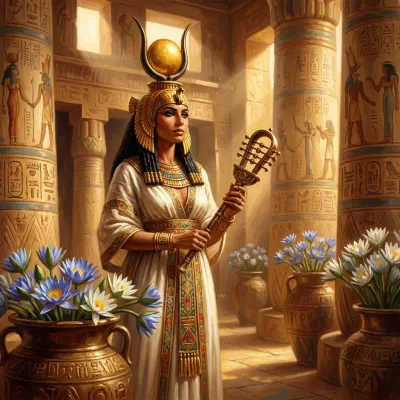
Hathor
Hathor is a Deity of ancient Egyptian temple-lore—at once maternal and revelrous, her presence reads like sunlight through papyrus. Smell: a warm, honeye...
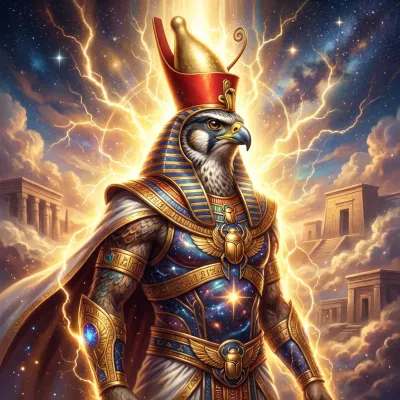
Horus
Horus is a Divine Deity of the sky and kingship, often perceived in the field as a falcon-headed sovereign whose presence orders the world like a rising ...
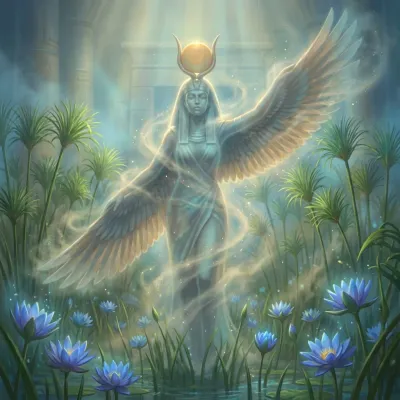
Isis
Isis is a Deity of Ancient Egypt whose arrival is recorded more by atmosphere than by sight. Smell: the sweet, green-saline perfume of papyrus and blue l...
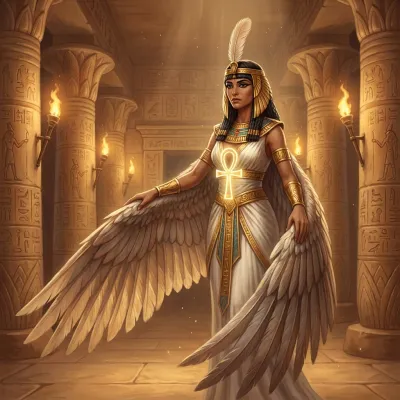
Ma'at
Ma'at is a Deity of truth, balance, and cosmic order encountered as a cool, clarifying presence: the air around her smells of dry papyrus, cedar and fain...
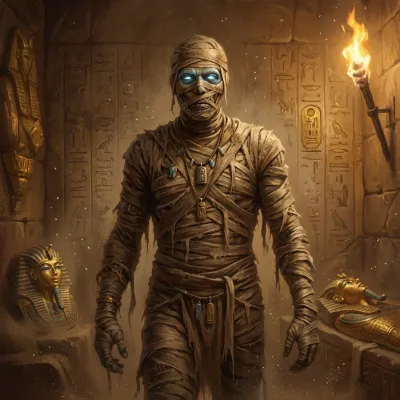
Mummy
Mummy is an Undead remnant of a once-living guardian or noble, bound by linen, resin and ritual. Smell: a dry, lingering tang of natron and cedar, thread...
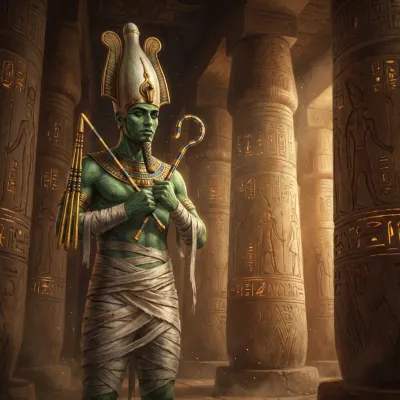
Osiris
Osiris is a Deity of death, judgment, and rebirth—often reported as a tall, linen-wrapped king with a faint green cast, as if vegetation and river-silt s...
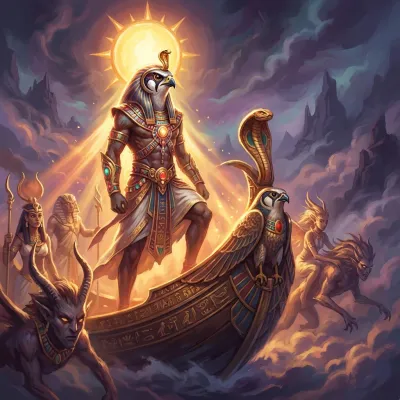
Ra
Ra is a Deity — the solar sovereign of the Nile lands, often sighted as a falcon-headed figure crowned with a blazing solar disk. Seen through the eye of...
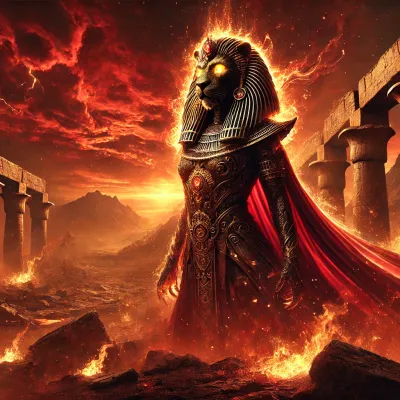
Sekhmet
Sekhmet is a Deity commonly manifesting as a lioness-headed woman or a great leonine spirit crowned by the sun; in the field she announces herself like a...
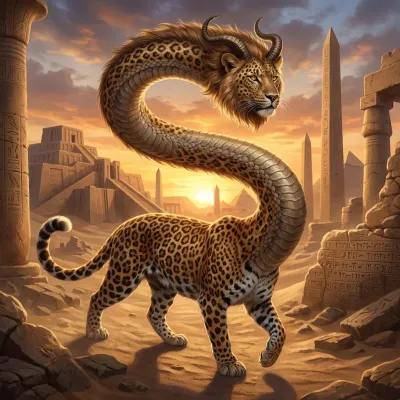
Serpopard
Serpopard is a Neutral (Cryptid/Beast) — a stitched silhouette of leopard muscle and sinuous serpent-neck, more at home in sand and sandstone than in sto...
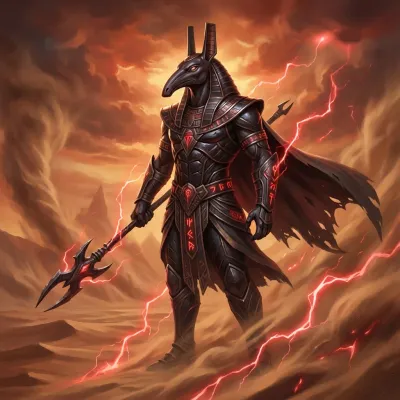
Set
Set is a Deity of storms and the desert, an elemental presence that reads like weather itself. Smell: the dry, sharp scent of sun‑baked sand laced with o...
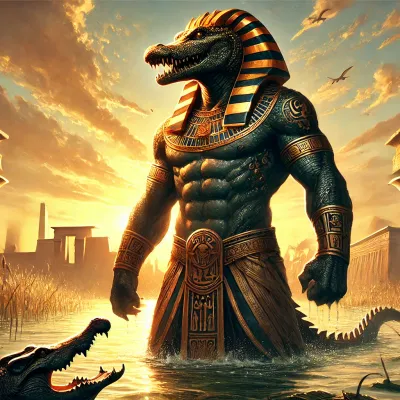
Sobek
Sobek is a Deity — the crocodile‑headed sovereign of the Nile's teeth and tides. A field naturalist would note a presence that reads like landscape made ...
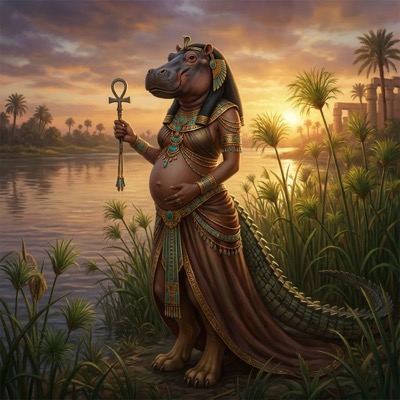
Taweret
Taweret is a Deity often encountered in the guise of a hulking, maternal hybrid—hippopotamus bulk, feline limbs and a crocodile tail—whose presence reads...
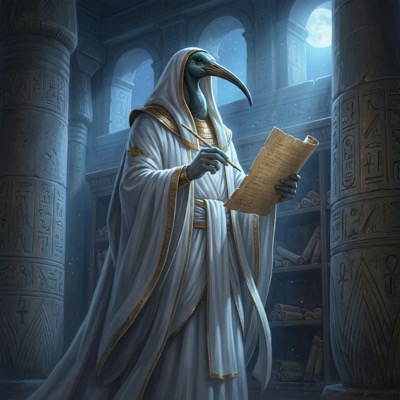
Thoth
Thoth is a Deity often seen as an ibis-headed scribe or a solemn baboon at the temple steps — an embodiment of measured thought and the slow, inevitable ...
Frequently Asked Questions
Mythological background, origins, and classifications for Egyptian Mythology.
Q: What is the role of Ammut in the Hall of Two Truths?
Ammut—a beast combining crocodile, lion, and hippopotamus features—stands beside the scale of Ma'at to devour hearts heavier than the feather of truth, condemning impure souls to nonexistence.
Q: Why is Apep considered the greatest threat in Egyptian myth?
Apep (Apophis) is the colossal serpent of perpetual chaos who attacks the solar barge of Ra each night in the underworld, attempting to extinguish the sun and swallow creation in darkness.
Explore Other Pantheons
Continue your investigation across global folklore traditions.
Unlock the Complete Egyptian Mythology Field Manuscript
Download all anatomical illustrations, combat weakness notes, and mythological profiles for home printing or offline fieldwork.