Celtic & Gaelic Folklore
Fae Folk, Kelpies & The Otherworld
Rooted in the mist-veiled forests, peat bogs, and coastal lochs of the British Isles, Celtic folklore blurs the boundary between mortal realms and the Tuatha Dé Danann Otherworld. These tales feature cautionary aquatic predators, mournful ancestral messengers, and unpredictable noble fae.
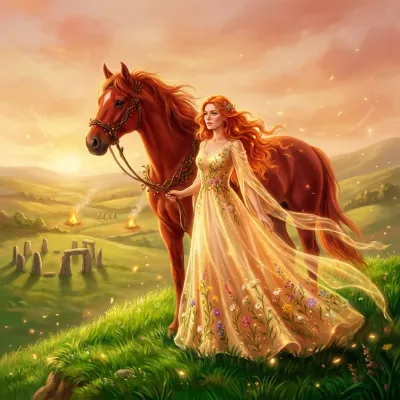
Áine
Áine is a Deity of summer and sovereignty, often felt before she is seen: a woman of golden light who may appear as a young maiden on a ridge of barley o...
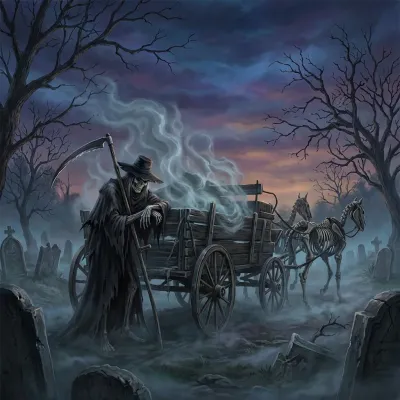
Ankou
Ankou is a spirit-class psychopomp noted in Breton field records: a shadow at the edge of lanes, sometimes seen as a tall, thin driver in a sodden cloak ...
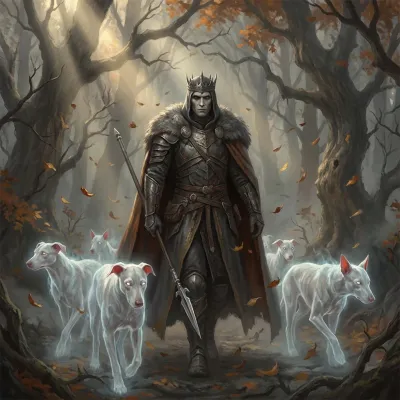
Arawn
Arawn is a Deity — the sovereign of Annwn, the Otherworld encountered where moor meets sea and river. Field naturalist note: his influence is more atmosp...
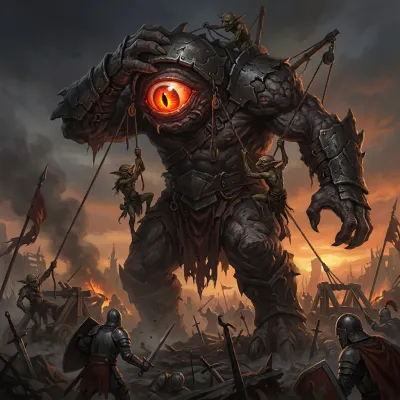
Balor of the Evil Eye
Balor of the Evil Eye is a Fomorian Giant seen in wind-swept marsh edges and rocky coastal terraces. He is vast and slow-moving, a ridge of muscle and we...
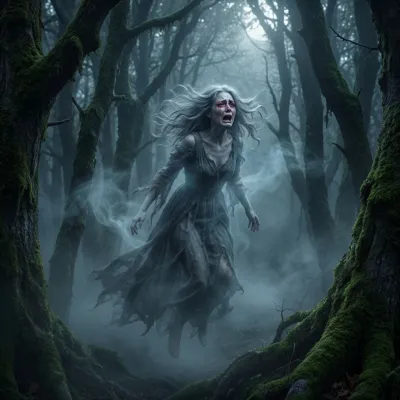
Banshee
Banshee is a Spirit (Fae) of the Irish otherworld: a household wraith more felt than seen. Smell: a metallic tang of old peat and cold iron, as if the he...
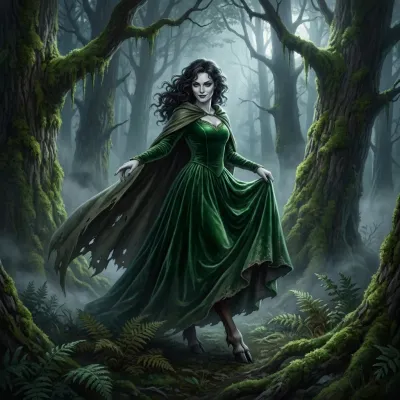
Baobhan Sith
Baobhan Sith is a predatory fae figure reported from remote Highland glens. Field notes describe a womanlike silhouette in green or dark silk, impossibly...
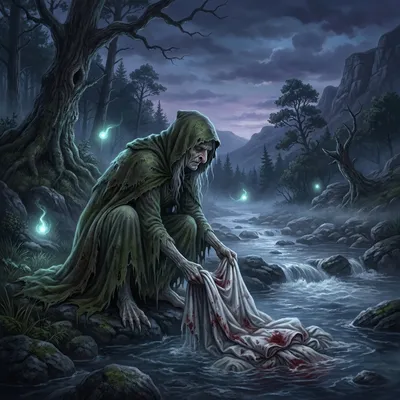
Bean-Nighe
Bean-Nighe is a Fae and river-borne Banshee" class="text-blue-400 hover:text-blue-300 transition-colors hover:underline hover:decorati...
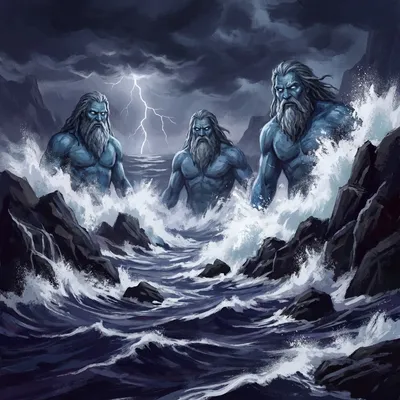
Blue Men of the Minch
Blue Men of the Minch are sea-fae reported in the narrow straits between the Outer Hebrides and the Scottish mainland. They carry the clean, sharp tang o...
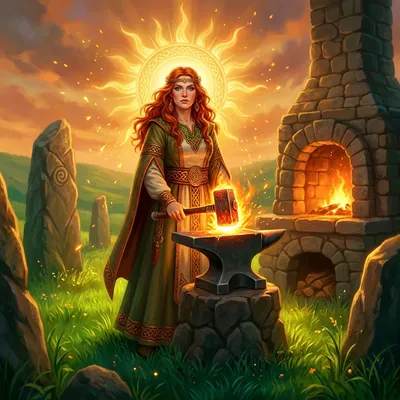
Brigid
Brigid is a Deity of hearth, smithcraft, poetry, healing and spring — a presence that feels less like a being and more like a living seam in the world. S...
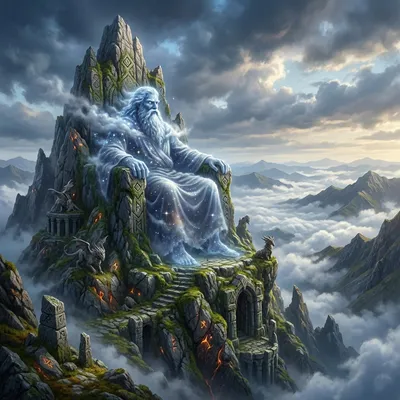
Cadair Idris
Cadair Idris is a mountain-spirit wrapped in peat and cloud, a Fae-seat more than a person — the old chair of the giant Idris made manifest in rock and m...
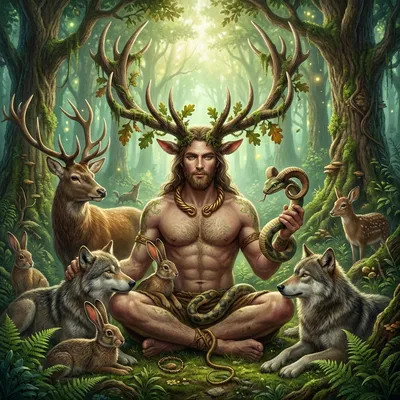
Cernunnos
Cernunnos is a Deity of the wild places — the Horned One who holds the border between forest, herd, and human road. Field notes record him less as a sing...
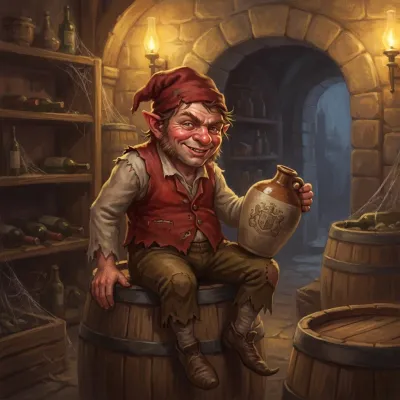
Clurichaun
Clurichaun is a solitary Fae trickster often found in the dim corners of breweries, cellars, and hearth-warmed kitchens. Field notes describe a small, wi...
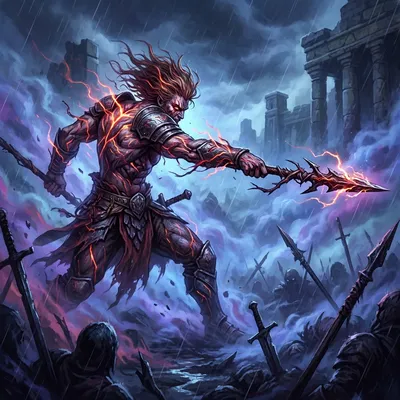
Cú Chulainn
Cú Chulainn is a Legendary Warrior — a mortal champion from the Ulster Cycle whose arrival reads like weather. He stands lean and taut, a young figure of...
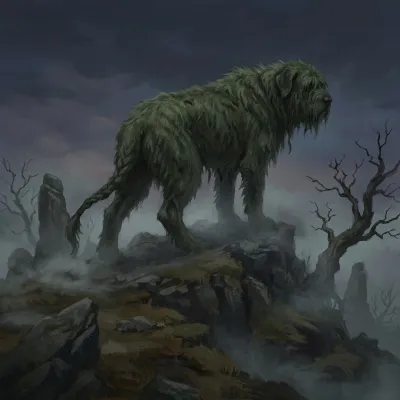
Cù-Sìth
Cù-Sìth is a Fae phantom hound recorded in Highland lore: vast and lupine in outline yet unnaturally light and insubstantial, often said to appear as a s...
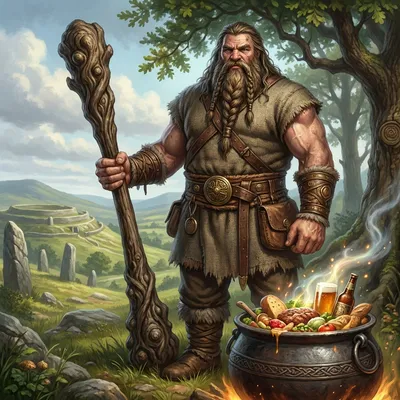
Dagda
Dagda is a Deity of the Tuatha Dé Danann, felt as a vast, hearth-sized presence more than a distant sky-god. Smell: peat smoke, damp oak, and warm barley...
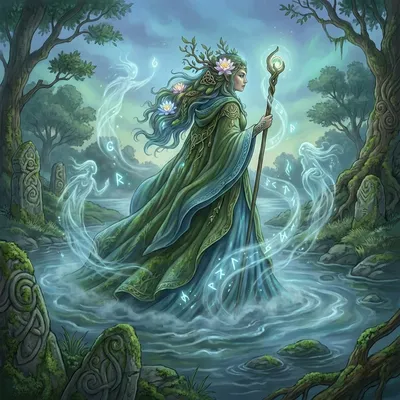
Danu
Danu is a Deity often spoken of as the ancestral mother of rivers and peoples — presence felt rather than seen. Smell: the damp sweetness of peat and fre...
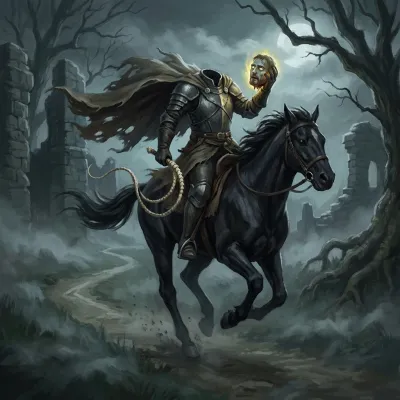
Dullahan
Dullahan is a headless spirit often seen riding a black horse at the margins of lanes and graveyards, an omen that announces the approach of death. Smell...
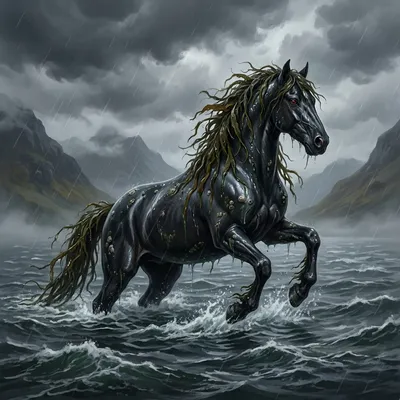
Each-uisge
Each-uisge is a Hostile (Monster) — a hulking water-steed that haunts sea-lochs, fjord mouths, and tidal strands. Field notes describe it as a paradox of...
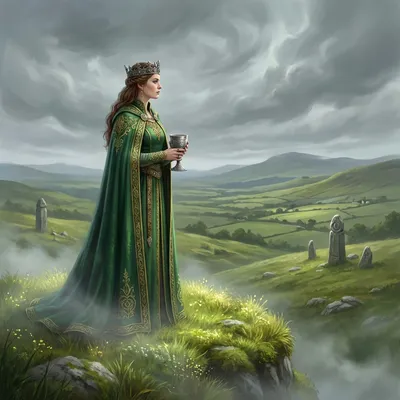
Ériu
Ériu is a Deity of the land—an old seat of sovereignty braided into riverbeds, boundary stones and the names on maps. Field notes describe the approach b...
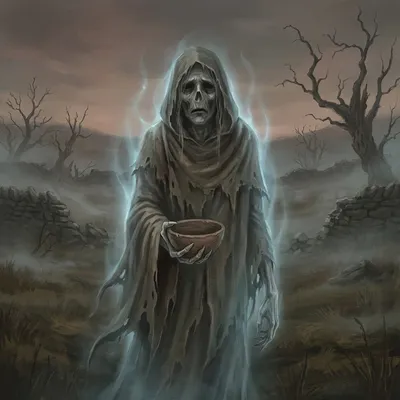
Fear Gorta
Fear Gorta is a gaunt fae-spirit of hunger from Irish lore, appearing as a thin, wavering silhouette that seems more mist than flesh. Sight: often glimps...
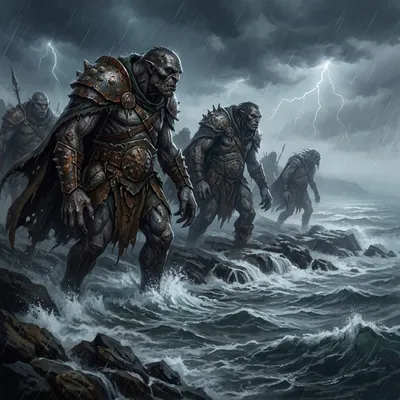
Fomorians
Fomorians are a hostile, monstrous tide-born folk frequently reported along storm-wracked coasts and bog-land margins. Field-naturalist notes record them...
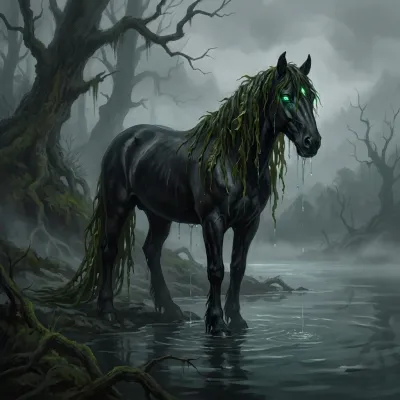
Kelpie
Kelpie is a Fae, often manifesting as a large, wet-coated horse at the edge of lochs and rivers; in field notes it appears muscular and animal — not vapo...
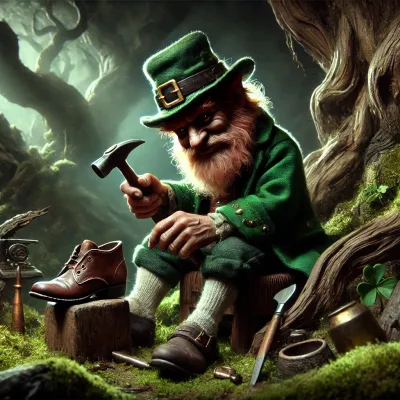
Leprechaun
Leprechaun is a Fae trickster — a solitary, small-bodied cobbler of the old hills. Field notes record a persistent tang of worn leather and peat smoke (S...
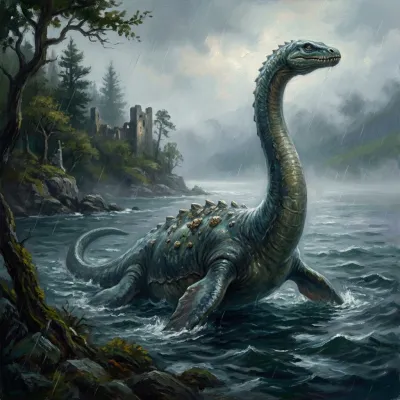
Loch Ness Monster
Loch Ness Monster is a cryptid beast often described as a large, elongate animal inhabiting the cold, peat-dark waters of Loch Ness. Smell: the air nearb...
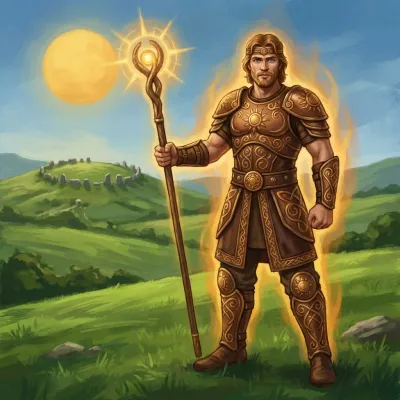
Lugh
Lugh is a Deity of the Tuatha Dé Danann, a bright-handed sovereign of skill and sun. In the field he announces himself like morning sharpened to a keen e...
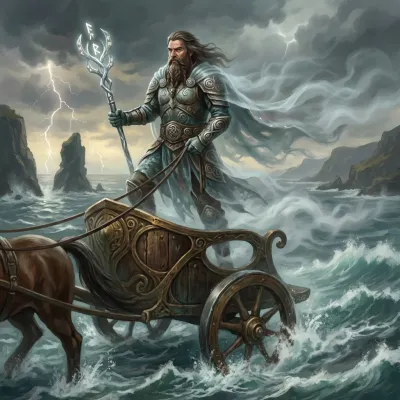
Manannán mac Lir
Manannán mac Lir is a Sea Deity observed at the boundary where surf meets sky. Field notes record him as a presence of salt and shadow: the air thick wit...
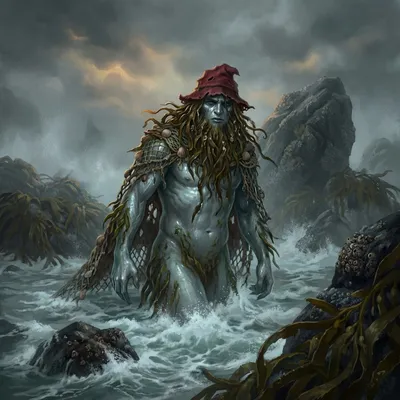
Merrow
Merrow is a coastal fae—part sea-creature, part household spirit—most often recorded where kelp beds comb rocky shores. Field notes describe a wet, muscu...
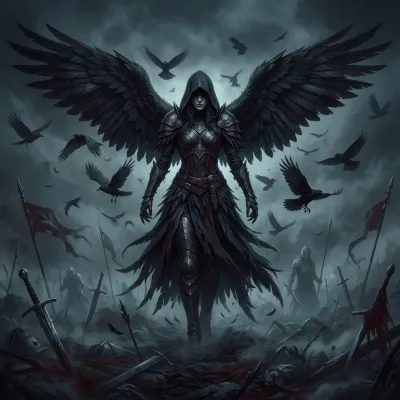
Morrígan
Morrígan is a Deity most often sighted along liminal places—ridge-lines, crossroads, and the margins of battle—where she manifests as a solitary
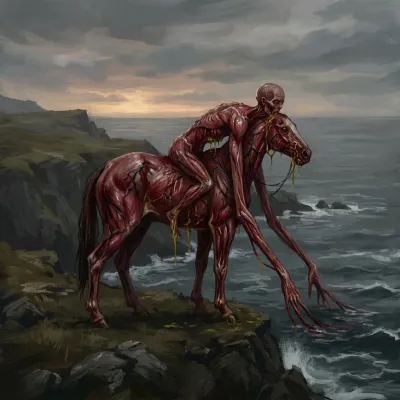
Nuckelavee
Nuckelavee is a hostile Fae—an ocean-born, horse-like apparition fused unnervingly to a rider—most often seen at the edge of tidal flats or peat bogs. Sm...
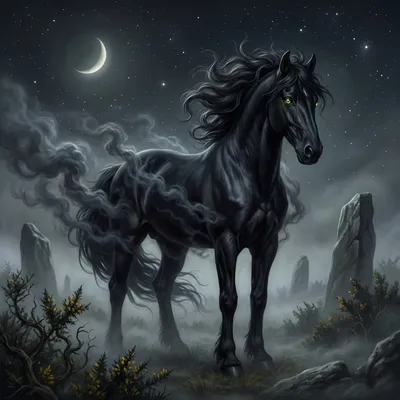
Púca
Púca is a Fae trickster and shapeshifter that frequents lanes, hedgerows, and lonely hills at dusk. It most often shows as a dark horse, goat, dog, or ha...
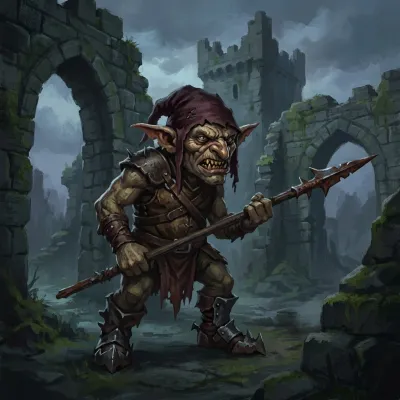
Redcap
Redcap is a small, squat Fae of ruined towers and lonely fordings, compact like a creature carved to fit stone crevices. In the field it announces itself...
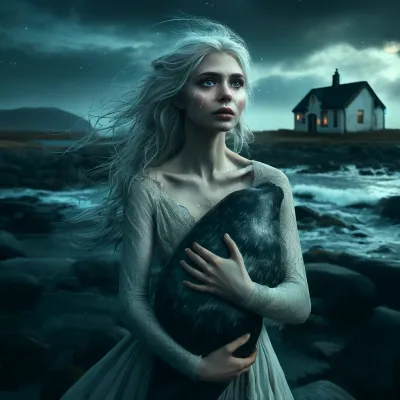
Selkie
Selkie — Trickster (Fae): a seal-born shapeshifter that moves between surf and shore with the wary grace of a marine predator and the restless curiosity ...
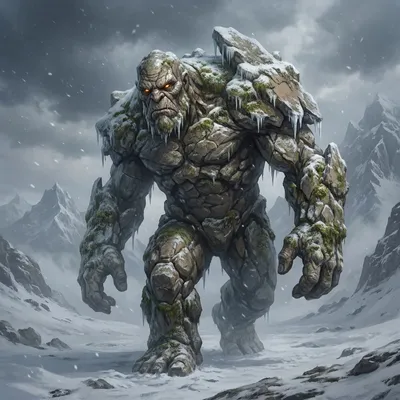
Stonecoat
Stonecoat is a Cryptid: a heavy, quadrupedal beast sheathed in overlapping plates of river-polished stone that look carved more than grown. It smells of ...
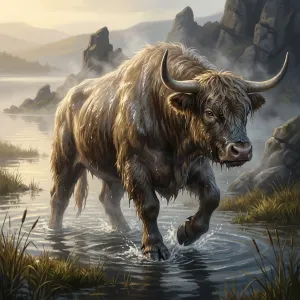
Water Bull
Water Bull is a Cryptid: a hulking, semi-aquatic bovine that haunts loch-edges, reedbeds and flooded pastures. Its coat glistens with lake-sheen and peat...
Frequently Asked Questions
Mythological background, origins, and classifications for Celtic & Gaelic Folklore.
Q: What is a Kelpie and how does it hunt?
A Kelpie is a predatory shape-shifting water spirit that appears as a majestic horse beside lochs. When unsuspecting travellers mount it, its adhesive skin traps them before it plunges into deep waters.
Q: Does hearing a Banshee cause death?
No. The Banshee (Bean Sídhe) does not cause death; her mournful wail is a solemn omen foretelling the imminent passing of a member of an ancient Gaelic ancestral lineage.
Q: What are the Seelie and Unseelie Courts?
In Scottish folklore, the Seelie Court comprises benevolent or neutral fae who grant boons to respectful humans, whereas the Unseelie Court consists of malicious, twilight entities driven to cause harm.
Explore Other Pantheons
Continue your investigation across global folklore traditions.
Unlock the Complete Celtic & Gaelic Folklore Field Manuscript
Download all anatomical illustrations, combat weakness notes, and mythological profiles for home printing or offline fieldwork.