Pokémon Bestiary
Yokai, Shinto Spirits & Global Bestiary Origins
Ken Sugimori, Satoshi Tajiri, and Game Freak built Pokémon upon centuries of Japanese yokai illustrations, Tsukumogami folklore, and global cryptid legends.
How Japanese Folklore & Shinto Animism Created Pokémon
While Pokémon presents itself as a science-fiction world of pocket monsters, its core DNA is steeped in ancient Japanese folklore and Shinto animism—the spiritual belief that all natural objects, spirits, and ancient items possess a living kami or soul.
Classic Pokémon directly mirror traditional Yokai: Vulpix and Ninetales embody the shapeshifting, illusion-weaving Kitsune of Inari shrines; Lombre and Golduck mirror the river-dwelling water imp Kappa; Shiftry channels the avian wind master Tengu; and Drowzee directly takes inspiration from the nightmare-devouring Baku.
As the series expanded globally, Game Freak incorporated worldwide mythologies: the Kalos legendary trio (Xerneas, Yveltal, Zygarde) mirrors the Norse world tree Yggdrasil, the eagle Hraesvelgr, and the serpent Nidhogg. Uncovering these historical roots transforms how fans see their favorite battle partners.
- Yokai personification into collectible pocket monsters
- Tsukumogami: Everyday artifacts gaining spiritual souls
- Elemental deities rooted in Shinto guardian spirits
- Harmonious coexistence between humans and magical beasts
All 11 Creatures in Pokémon
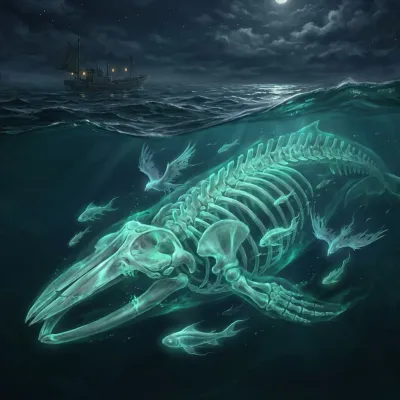
Bake-kujira
Direct folkloric basis for iconic pocket monsters including Ninetales, Golduck, Shiftry, and Froslass.
In traditional Japanese lore, Bake-kujira was revered or feared as a true yokai (spirit), representing natural forces, moral boundaries, and environmental taboos of its homeland.
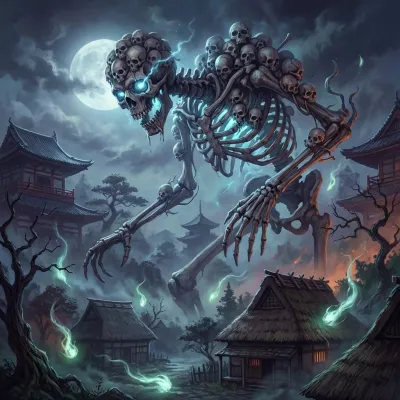
Gashadokuro
Direct folkloric basis for iconic pocket monsters including Ninetales, Golduck, Shiftry, and Froslass.
In traditional Japanese lore, Gashadokuro was revered or feared as a true yokai (monster), representing natural forces, moral boundaries, and environmental taboos of its homeland.
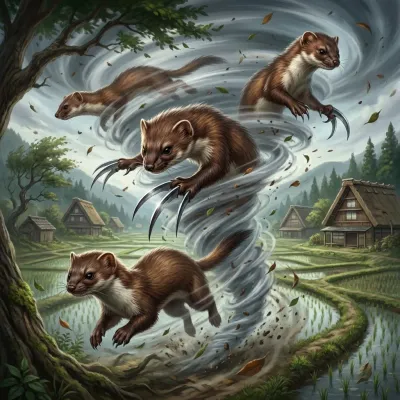
Kamaitachi
Direct folkloric basis for iconic pocket monsters including Ninetales, Golduck, Shiftry, and Froslass.
In traditional Japanese lore, Kamaitachi was revered or feared as a true fae (yōkai - trickster), representing natural forces, moral boundaries, and environmental taboos of its homeland.
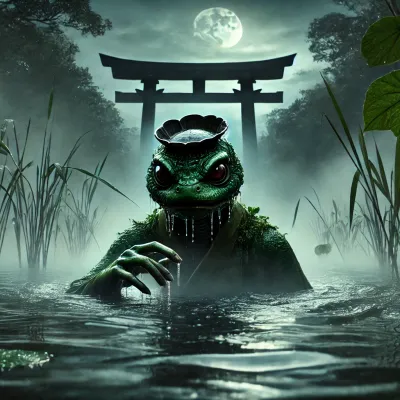
Kappa
The Koopa Troopas and Bowser himself are heavily inspired by Kappa anatomy, featuring green beaks, shells, and reptilian posture.
In traditional Japanese lore, Kappa was revered or feared as a true fae (yokai, representing natural forces, moral boundaries, and environmental taboos of its homeland.
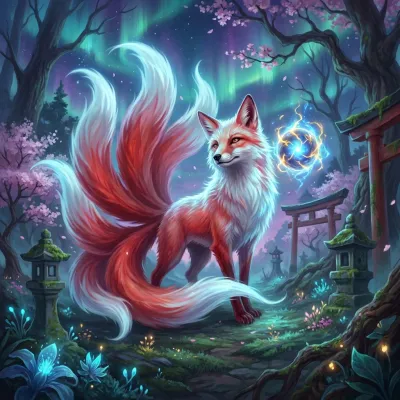
Kitsune
Vulpix and Ninetales are direct adaptations of the Kitsune and Kyubi, complete with ghostly fire manipulation and ancient curse capabilities.
In traditional Japanese Shinto Folklore lore, Kitsune (Nine-Tailed Fox) was revered or feared as a true fae (nine-tailed fox spirit / yōkai), representing natural forces, moral boundaries, and environmental taboos of its homeland.
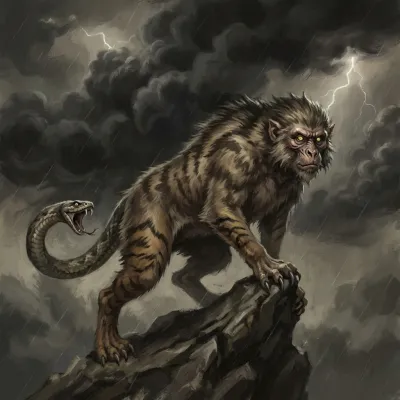
Nue
Direct folkloric basis for iconic pocket monsters including Ninetales, Golduck, Shiftry, and Froslass.
In traditional Japanese lore, Nue was revered or feared as a true yōkai (beast), representing natural forces, moral boundaries, and environmental taboos of its homeland.
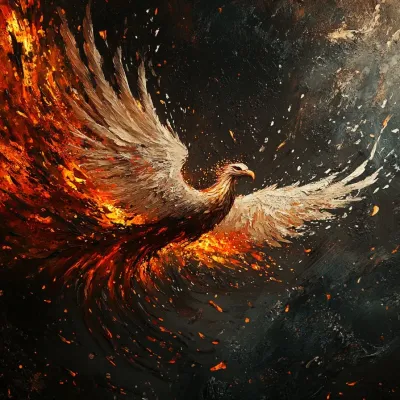
Phoenix
Ho-Oh, the Rainbow Pokémon and mascot of Pokémon Gold, is modeled after the Fenghuang and Phoenix, reviving the Legendary Beasts from the burned tower.
In traditional Ancient Greek & Egyptian lore, Phoenix was revered or feared as a true cryptid/beast, representing natural forces, moral boundaries, and environmental taboos of its homeland.

Tanuki
Direct folkloric basis for iconic pocket monsters including Ninetales, Golduck, Shiftry, and Froslass.
In traditional Japanese lore, Tanuki was revered or feared as a true fae, representing natural forces, moral boundaries, and environmental taboos of its homeland.
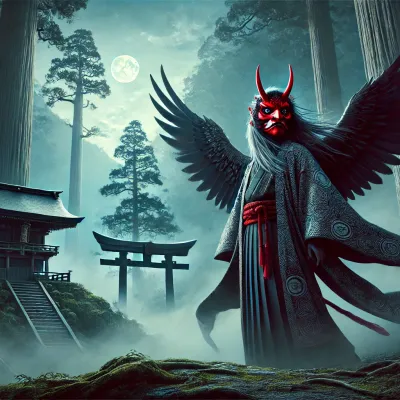
Tengu
Shiftry (the Wicked Pokémon) is a direct adaptation of the Daitengu, featuring a long nose, leaf-fan hands that whip up gales, and geta-like wooden feet.
In traditional Japanese lore, Tengu was revered or feared as a true fae, representing natural forces, moral boundaries, and environmental taboos of its homeland.
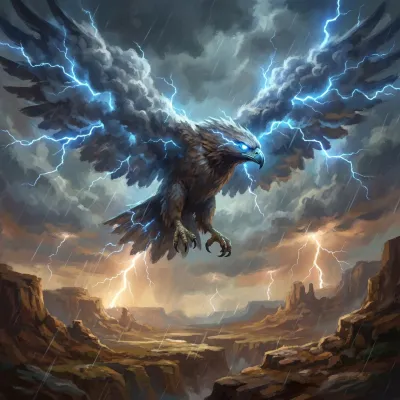
Thunderbird
Zapdos, the legendary Electric/Flying bird of Kanto, is directly inspired by the mythological Native American Thunderbird.
In traditional Various North American Indigenous (Plains & Great Lakes) lore, Thunderbird was revered or feared as a true deity, representing natural forces, moral boundaries, and environmental taboos of its homeland.

Yuki-Onna
Froslass (Ice/Ghost type) is a female-only evolution based directly on the Yuki-Onna, said to freeze handsome men and display them in her ice cavern.
In traditional Japanese lore, Yuki-onna was revered or feared as a true yokai, representing natural forces, moral boundaries, and environmental taboos of its homeland.
Pokémon Mythology & Folklore FAQ
Is Ninetales based on a real mythical fox?
Yes, Ninetales is an exact adaptation of the legendary Kyubi no Kitsune (Nine-Tailed Fox) from East Asian folklore, an ancient spirit whose wisdom and magical powers expand with each tail it grows over centuries.
Which Pokémon are based on Japanese Yokai?
Dozens of Pokémon derive from Yokai: Ninetales (Kitsune), Ludicolo and Golduck (Kappa), Mawile (Futakuchi-onna), Froslass (Yuki-onna), Shiftry (Tengu), and Dunsparce (Tsuchinoko).
What myth inspired the legendary birds Articuno, Zapdos, and Moltres?
The legendary birds synthesize Persian Simurgh, Native American Thunderbird, and the Slavic Firebird / Egyptian Phoenix.
Other Mythological Gaming Bestiaries
The Witcher
Slavic Folklore & Dark Fantasy Bestiary
God of War
Mythic Bosses from Greek Antiquity to the Norse Nine Realms
Persona & Shin Megami Tensei
The Ultimate Compendium of World Deities, Demons & Spirits
Castlevania
Gothic Bestiary of Dracula's Cursed Castle
Smite: Arena of the Gods
The Divine Third-Person Pantheon MOBA
Final Fantasy
Iconic Eidolons, Espers & Folklore Summons
Dungeons & Dragons
The Legendary Tabletop Monster Manual & Ancient Mythos
Elden Ring & Soulsborne
FromSoftware's Grimdark Bestiary & Eldritch Horrors
Monster Hunter
Speculative Biology & Ancient Wyverns
Percy Jackson & The Olympians
Modern Urban Folklore & Classical Greek-Roman Bestiary
Marvel & DC Mythic Gods
Comic Book Adaptations of Asgard, Olympus & Chthonic Horrors
Bring This Myth Into Your World
Support independent folklore storytelling and bring home our original collectibles, field guides, and tabletop games.
Designer Art Toys
Premium designer vinyl figures and pre-supported 3D printable STL files created for art toy collectors and painters.
Field Guide Tome
The definitive hardcover & digital explorer manuscript documenting 405 ancient creatures, danger ratings, and lore charts.
Tabletop Board Games
Summon deities, navigate cursed labyrinths, and hunt mythic beasts in our tactical board games and print-and-play decks.
Get the Free Print-and-Play Mythic Expansion
Join 3,000+ monster hunters. Receive printable lore cards, early access to limited toy drops, and new weekly folklore chapters directly to your inbox.