Final Fantasy Bestiary
Iconic Eidolons, Espers & Folklore Summons
Square Enix revolutionized gaming mythology by establishing 'Summon Magic', reimagining biblical behemoths, Arabian djinn, and Nordic wolves as majestic celestial guardians.
The Art of Summoning: Transforming Global Folklore into Eidolons
Starting with Final Fantasy III and expanded into cinematic centerpieces in Final Fantasy VII, VIII, IX, and X, the series transformed ancient mythological figures into 'Eidolons', 'Espers', and 'Aeons'.
Square Enix took liberties with historical myth to craft distinct mechanical identities: Ifrit, traditionally an Arabian desert spirit of smoky fire, became the definitive horned inferno elemental; Shiva, supreme Hindu deity of cosmic destruction and rebirth, was creatively reimagined as the empress of ice; Behemoth and Leviathan retained their Old Testament majesty as apocalyptic terrestrial and oceanic horrors.
Through Yoshitaka Amano's ethereal concept art and Tetsuya Nomura's iconic character design, Final Fantasy introduced entire generations of players to ancient mythic iconography.
- Elemental personification of ancient mythic beings
- Summoners binding divine celestial forces to protect humanity
- Aesthetic reinvention through Japanese concept art
- World beasts as ecological anchors in fantasy realms
All 9 Creatures in Final Fantasy
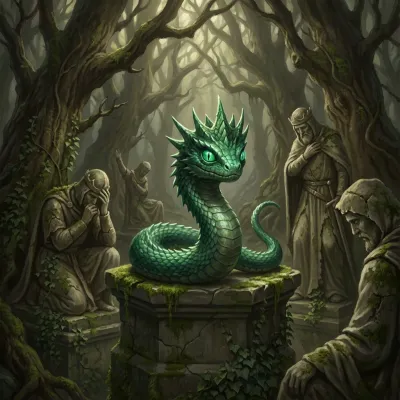
Basilisk
Recurring multi-legged reptilian beast known for casting Break / Stone gaze on party members.
In traditional Medieval European folklore lore, Basilisk was revered or feared as a true beast (monster), representing natural forces, moral boundaries, and environmental taboos of its homeland.
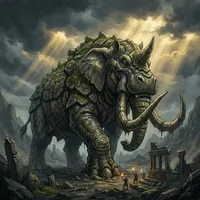
Behemoth
The iconic purple-horned apex beast appearing across almost every title, notorious for casting 'Meteor' as its dying attack.
In traditional Hebrew / Jewish lore, Behemoth was revered or feared as a true cryptid, representing natural forces, moral boundaries, and environmental taboos of its homeland.
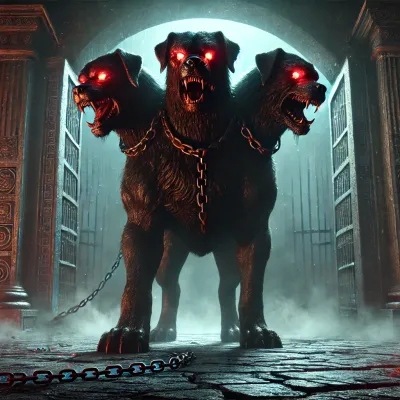
Cerberus
Recurring summon and boss (e.g. FFVIII) that casts Triple on the party, channeling the triple-headed nature of the beast.
In traditional Greek lore, Cerberus was revered or feared as a true guardian beast (monstrous hound), representing natural forces, moral boundaries, and environmental taboos of its homeland.
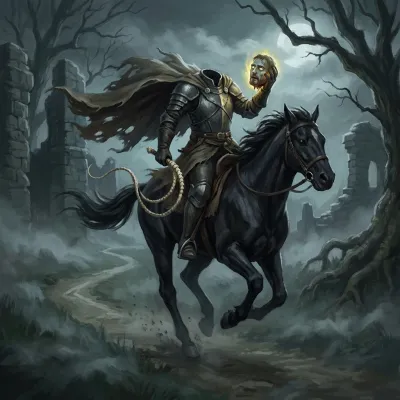
Dullahan
Recurring undead knight enemy appearing in FFVI, FFVIII, and FFXII wielding executioner swords.
In traditional Irish lore, Dullahan was revered or feared as a true spirit, representing natural forces, moral boundaries, and environmental taboos of its homeland.
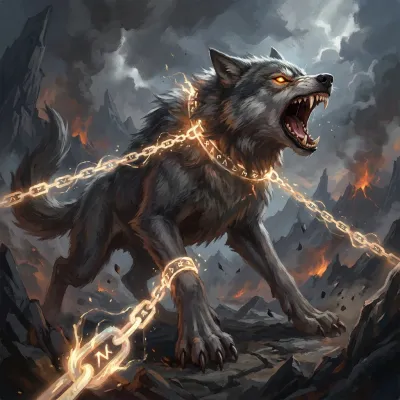
Fenrir
Cloud Strife's signature motorcycle and wolf emblem are named Fenrir, honoring the lone wolf motif.
In traditional Norse lore, Fenrir was revered or feared as a true monster, representing natural forces, moral boundaries, and environmental taboos of its homeland.
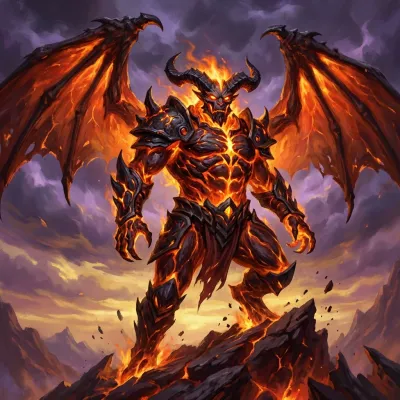
Ifrit
The premier fire summon (Eikon/Esper) of the entire franchise, culminating in FFXVI where Clive Rosfield awakens as the second Eikon of Fire.
In traditional Arabic / Islamic folklore lore, Ifrit was revered or feared as a true jinn (fire spirit), representing natural forces, moral boundaries, and environmental taboos of its homeland.
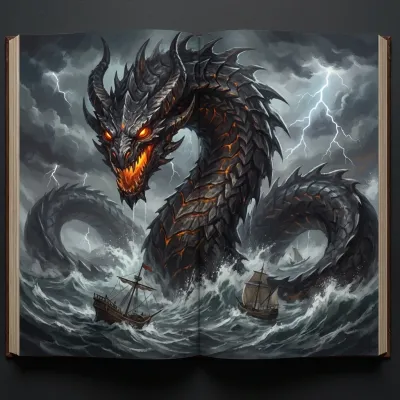
Leviathan
The supreme Water summon (Tidal Wave / Tsunami), culminating in FFXV's epic city-destroying battle in Altissia.
In traditional Hebrew / Jewish lore, Leviathan was revered or feared as a true cryptid, representing natural forces, moral boundaries, and environmental taboos of its homeland.
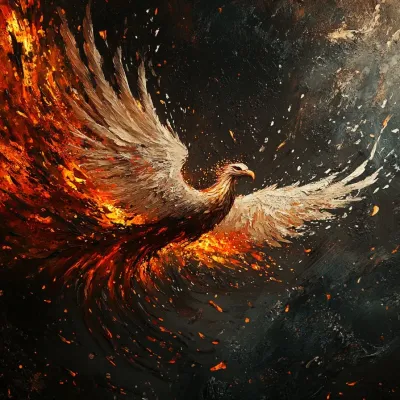
Phoenix
A legendary summon (e.g. FFVII, FFXVI) that unleashes 'Flames of Rebirth', dealing massive fire damage to foes while reviving all fallen party members.
In traditional Ancient Greek & Egyptian lore, Phoenix was revered or feared as a true cryptid/beast, representing natural forces, moral boundaries, and environmental taboos of its homeland.
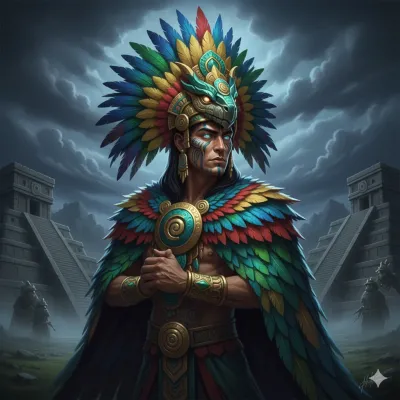
Quetzalcoatl
Quezacotl is the starter Guardian Force (GF) in FFVIII, dealing devastating lightning storm damage.
In traditional Nahuatl / Aztec lore, Quetzalcoatl was revered or feared as a true deity (feathered serpent), representing natural forces, moral boundaries, and environmental taboos of its homeland.
Final Fantasy Mythology & Folklore FAQ
What is the origin of Ifrit in Final Fantasy?
Ifrit originates from Islamic and Arabian folklore as an Ifrit (or Afreet)—a powerful class of djinn associated with underground ruins, smoke, and blazing fire.
Is Behemoth based on a real ancient legend?
Yes, the Behemoth is a primeval land monster mentioned in the Book of Job in Hebrew scripture, representing the ultimate untamable terrestrial strength created by God.
Why are Norse names so common in Final Fantasy?
The creators of Final Fantasy drew heavily from Norse mythology, incorporating Fenrir, Midgardsormr, Odin, Ragnarok, and Yggdrasil as central world-building pillars throughout the franchise.
Other Mythological Gaming Bestiaries
The Witcher
Slavic Folklore & Dark Fantasy Bestiary
God of War
Mythic Bosses from Greek Antiquity to the Norse Nine Realms
Persona & Shin Megami Tensei
The Ultimate Compendium of World Deities, Demons & Spirits
Castlevania
Gothic Bestiary of Dracula's Cursed Castle
Smite: Arena of the Gods
The Divine Third-Person Pantheon MOBA